
Morocco: Marrakech to the Sahara | Explore Travel Series
This photoshoot was a bit of a journey. We set out for the Sahara from Marrakech, making our way several days drive into the country. Our driver and guide was local to our destination at the westernmost part of the great Sahara desert, where the Bedouin tribes have carved out a precarious life for centuries. When he was a child no roads had as of yet reached his home this far into the desert, it was off-road all the way. Here, some families have only within this generation switched from a nomadic lifestyle to village life, (motivations include providing their children access to school), while others still prefer to live as nomads, which they feel is quieter and more free.
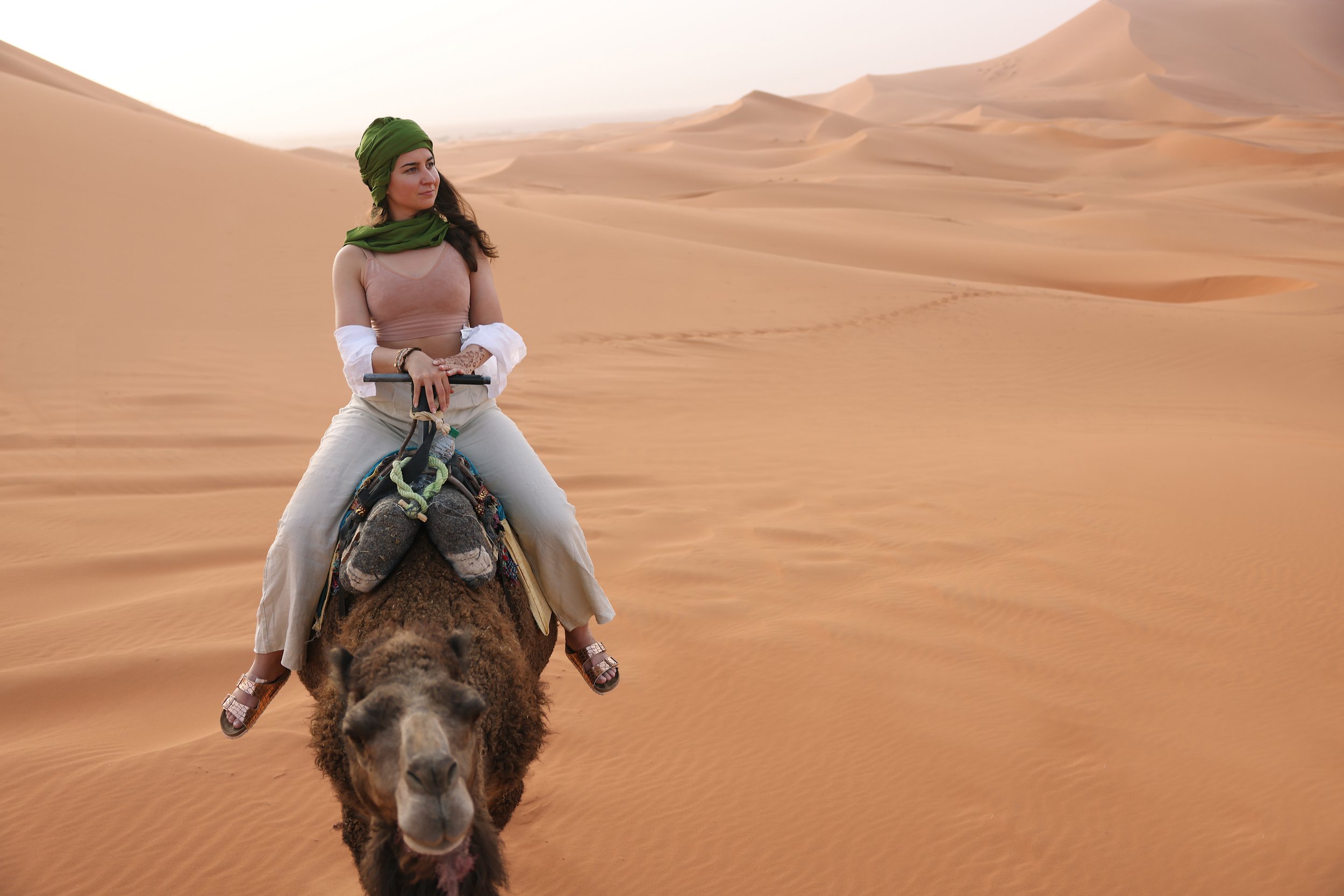
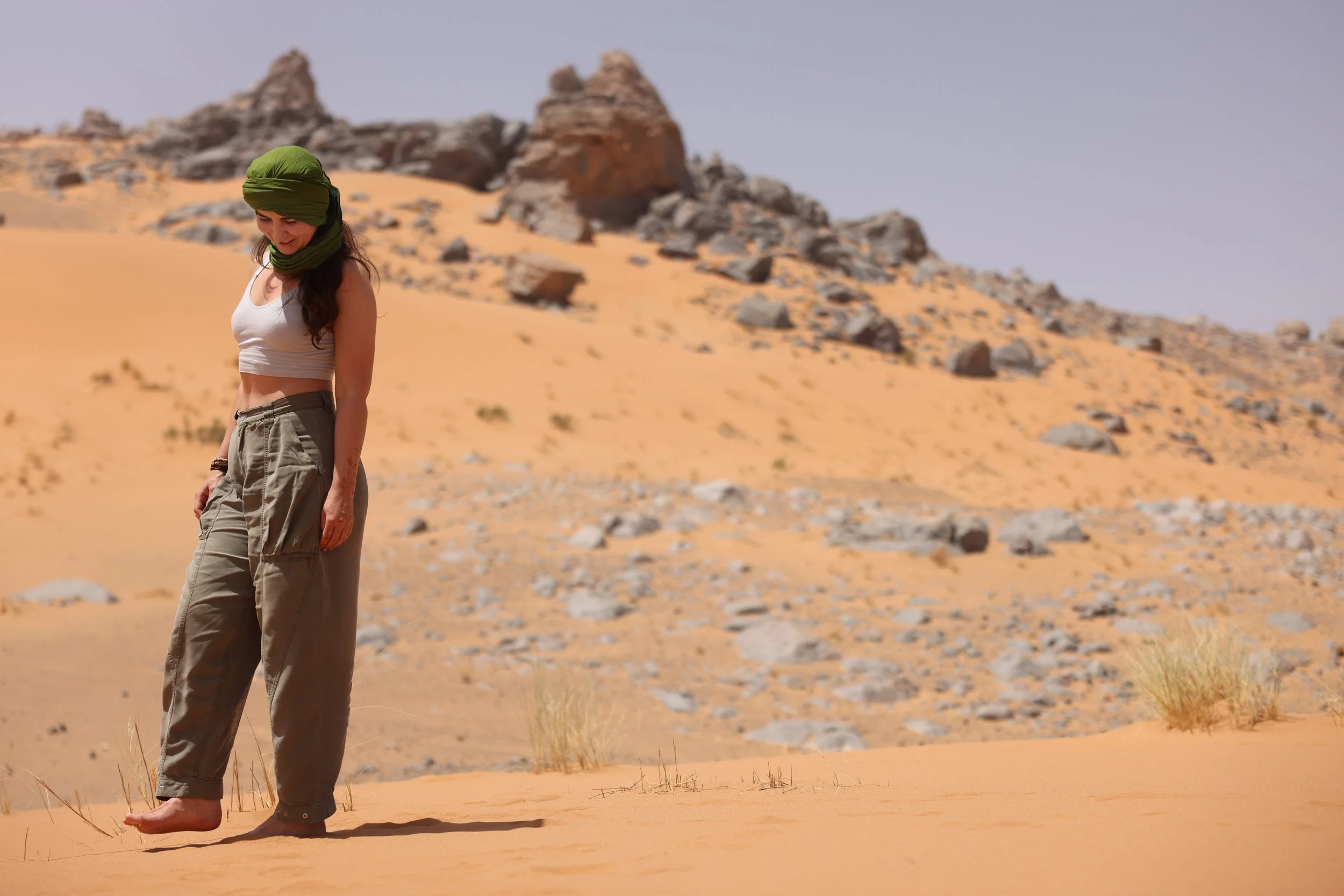
I decided to shoot with the headscarf because of its significance. In the region the headscarf is as much practical as it is symbolic of both tradition and adaptive survival. The colors are indicative of specific tribes and Berbers can tell where someone is from without ever having a conversation, based on the color and the way it is worn. You won’t get close to the Sahara without a proud Berber making sure that you have a headscarf and helping you learn how to wear it. The headscarf is the nomad multi-tool, its many uses include functioning as a hat protecting your head and depending on how you wear it, your shoulders and neck from the the rays of the North African sun. If wrapped in a wider style it becomes almost like a sombrero. It functions as a mask during sand storms, a blanket when you’re out in the desert during the chilly nights, a makeshift rope to reach water sitting low in a well, and a cooling mechanism when you wet it before wearing, etc. Not a religious covering, the headscarf is an item of clothing every bit as practical as shoes, that a bedouin takes pride in and would not be found without.
We crossed the dunes by camel in the early evening, and midway to camp our camel guide stopped at one of the highest dunes so we could enjoy a long molten amber sunset. There are simply no words for the colors that sculpted the sands in light and shadow as the sun dipped low into the haze from an earlier dust storm.
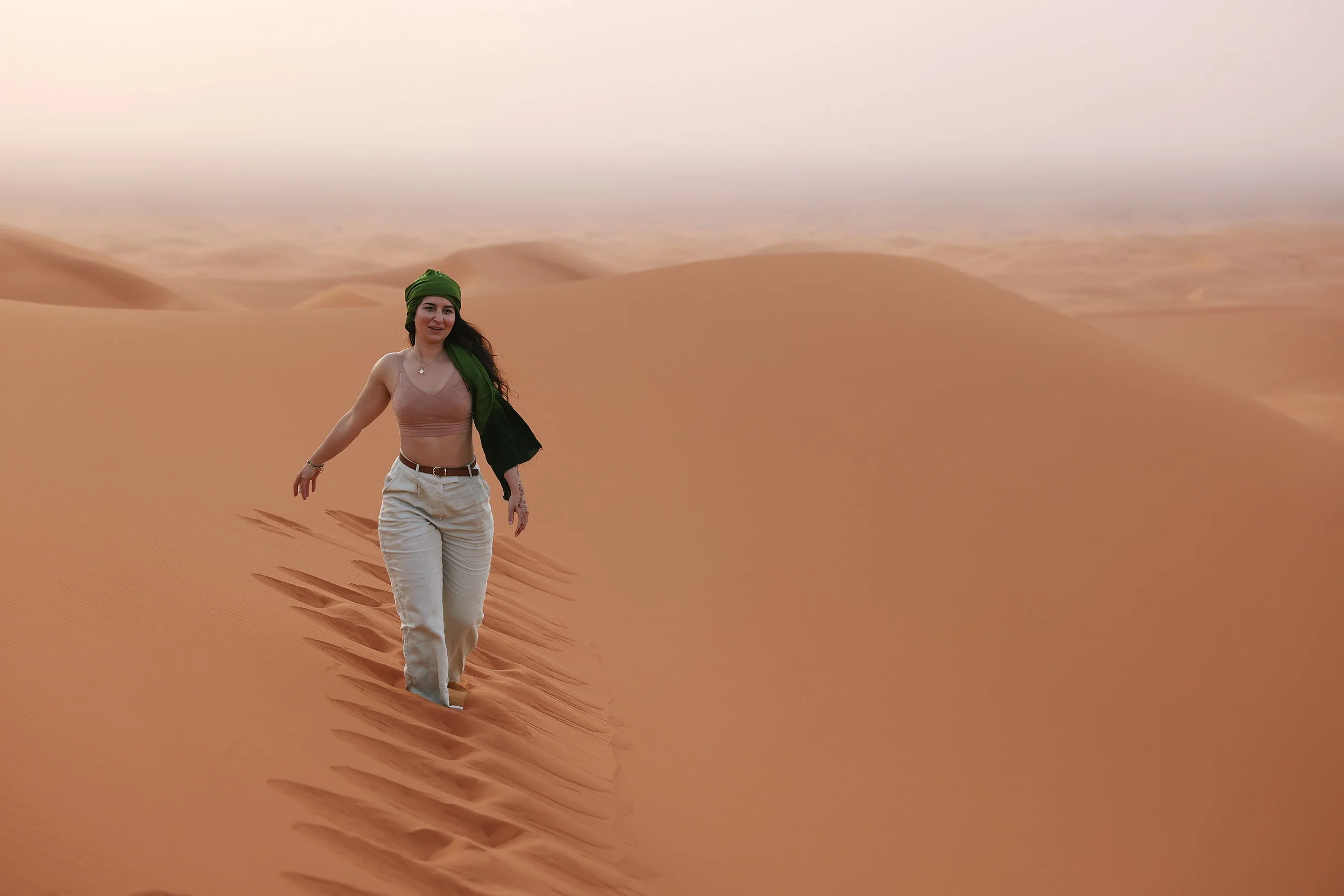
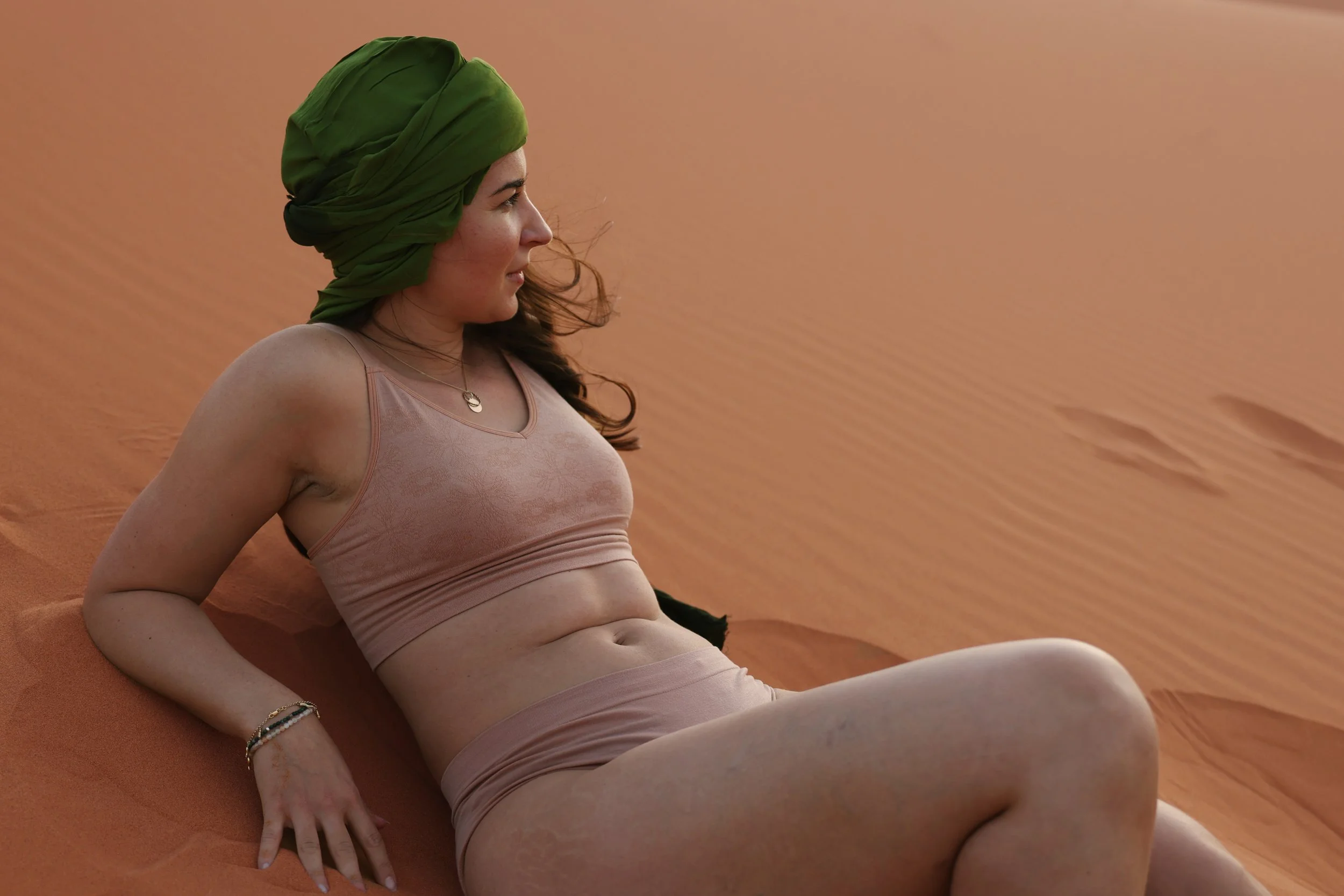
We had complete privacy and breathtaking panoramic views for these shots and the most difficult thing during this photo session was capturing moments where we weren’t grinning from ear to ear, or distracted playing in the silky soft sand.
Foreign tourists typically brave the Sahara during Morocco’s “winter” months, when heat levels are more tolerable, however the summer sees local Moroccan tourists visit the Sahara in throngs for traditional “sand bathing”, a healing practice especially for rheumatic ailments, that involves full body immersion in the sun baked liquid soft sands.
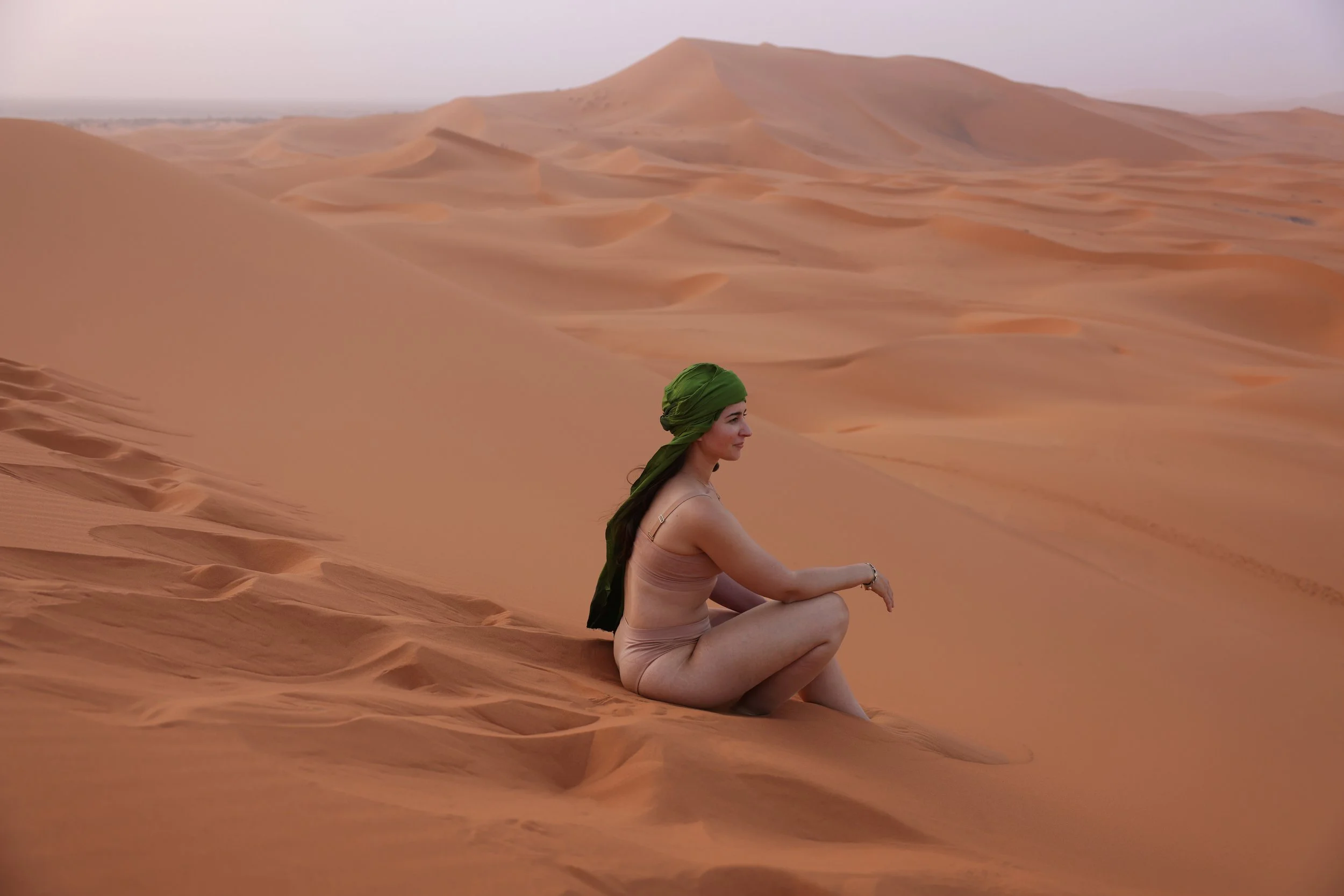
Sluggish after a late night campfire, we woke up early to climb the dunes and catch the sunrise over the Sahara. We warmed up with some sand-boarding, the morning chill lessening by the minute as the sun broke over the rippled sands which had been washed clean of yesterday’s footprints by the winds overnight. As the sun rose over the dunes, the desert again lit up in a sculptural display of shifting gradients and glowing color that defies description.
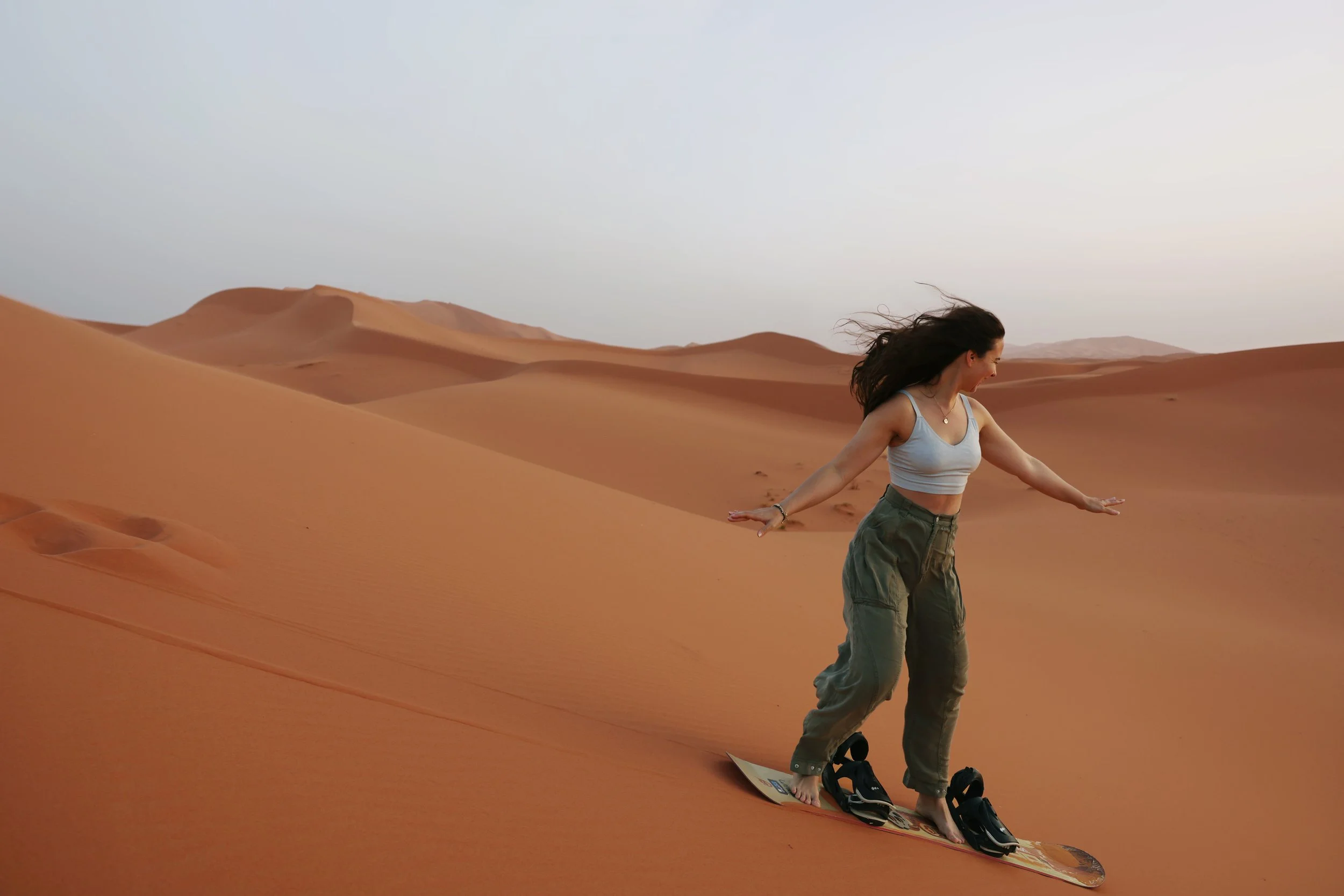
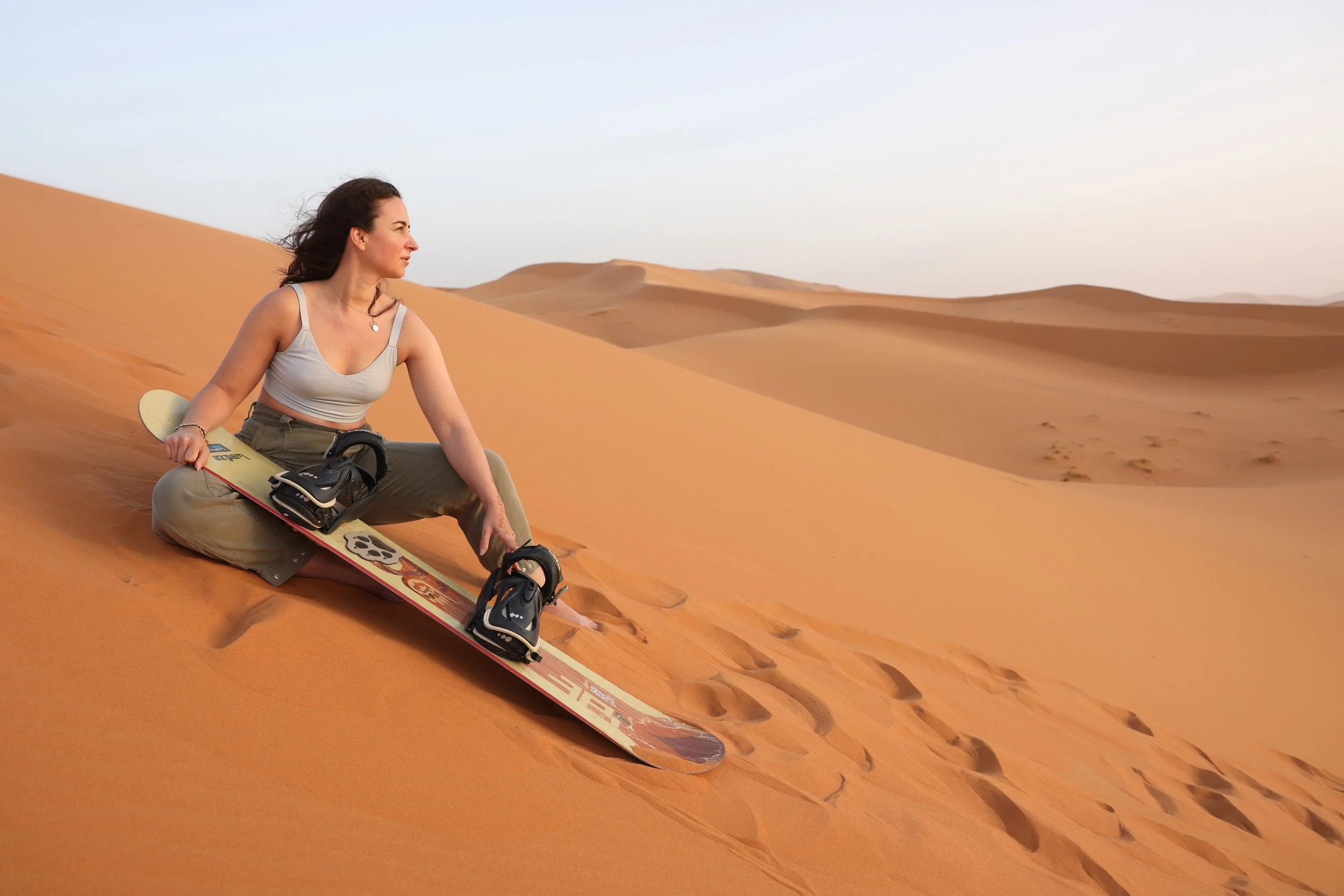
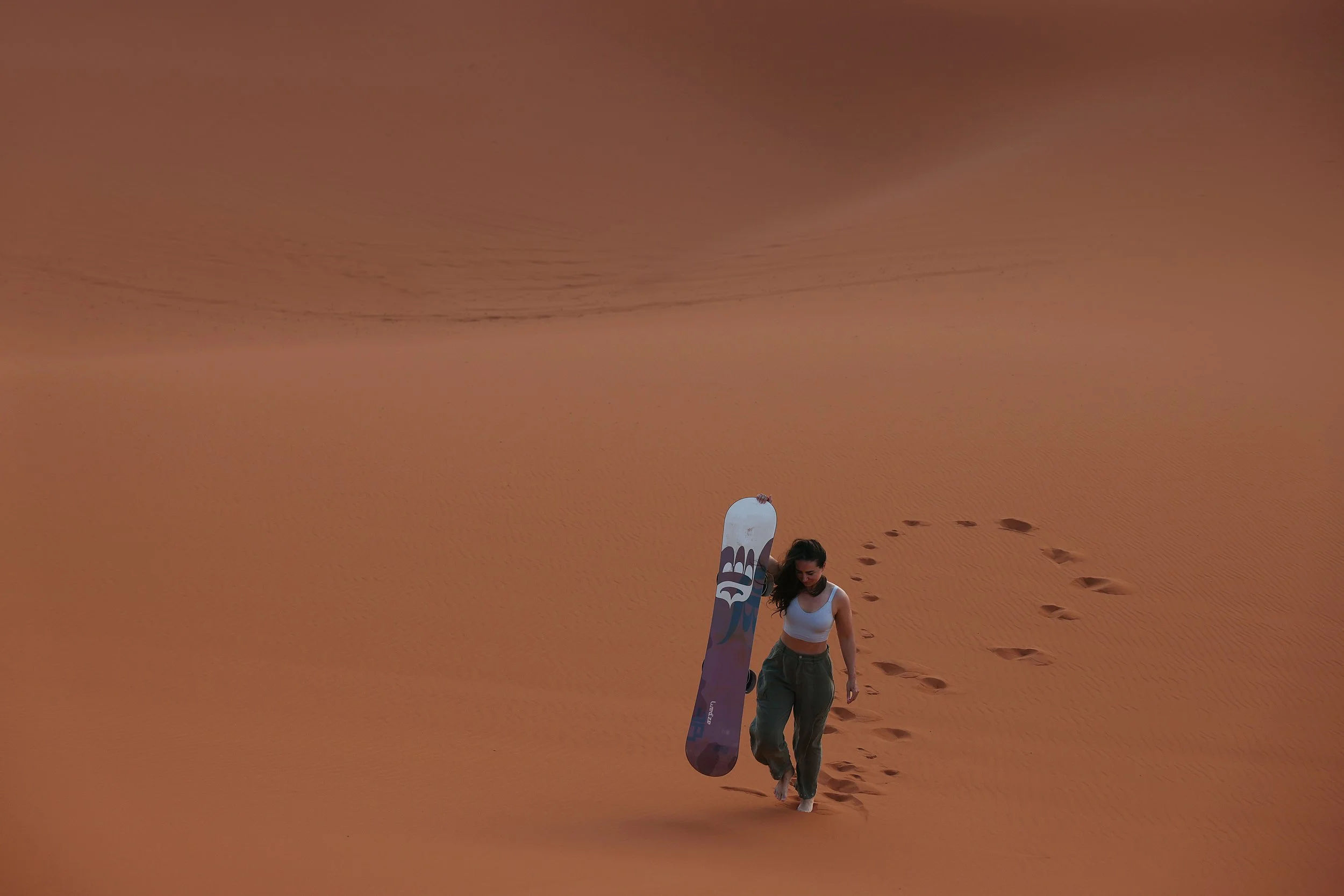
The time in the Sahara flew by but for me it left a lasting imprint. As I mentioned the Ait Habesh tribe at the edge of the desert is one of the Amazigh or self termed, “free peoples”, Bedouin indigenous to North Africa. Their wealth, the wealth of good life, tight knit families, artistry, traditions and values made me feel simple and foolish with my rushing and constant goals and normalized lack of contentment. I felt the entire trip was one humbling moment of realization after another.
I was privately embarrassed and repeatedly impressed by the Berbers who in general seem to be somehow resilient against unwanted change on one hand, and extremely adaptive on the other. Frequently referencing “the school of life”, they learn at lightning speed, have shockingly good memories and are more observant humans than I am used to. This mental flex is well illustrated in the phenomenon that almost every adult berber person I met speaks five or six languages well enough to have a conversation. When asked how this is possible they would show me the app duo-lingo, as if that explained everything, which made me realize how privileged and lazy I am, to have access to so much but use so little of it. Most of these persons would have had little of a traditional education but they can have a more intellectual conversation, retain more information and do more with their own hands than most people world over.
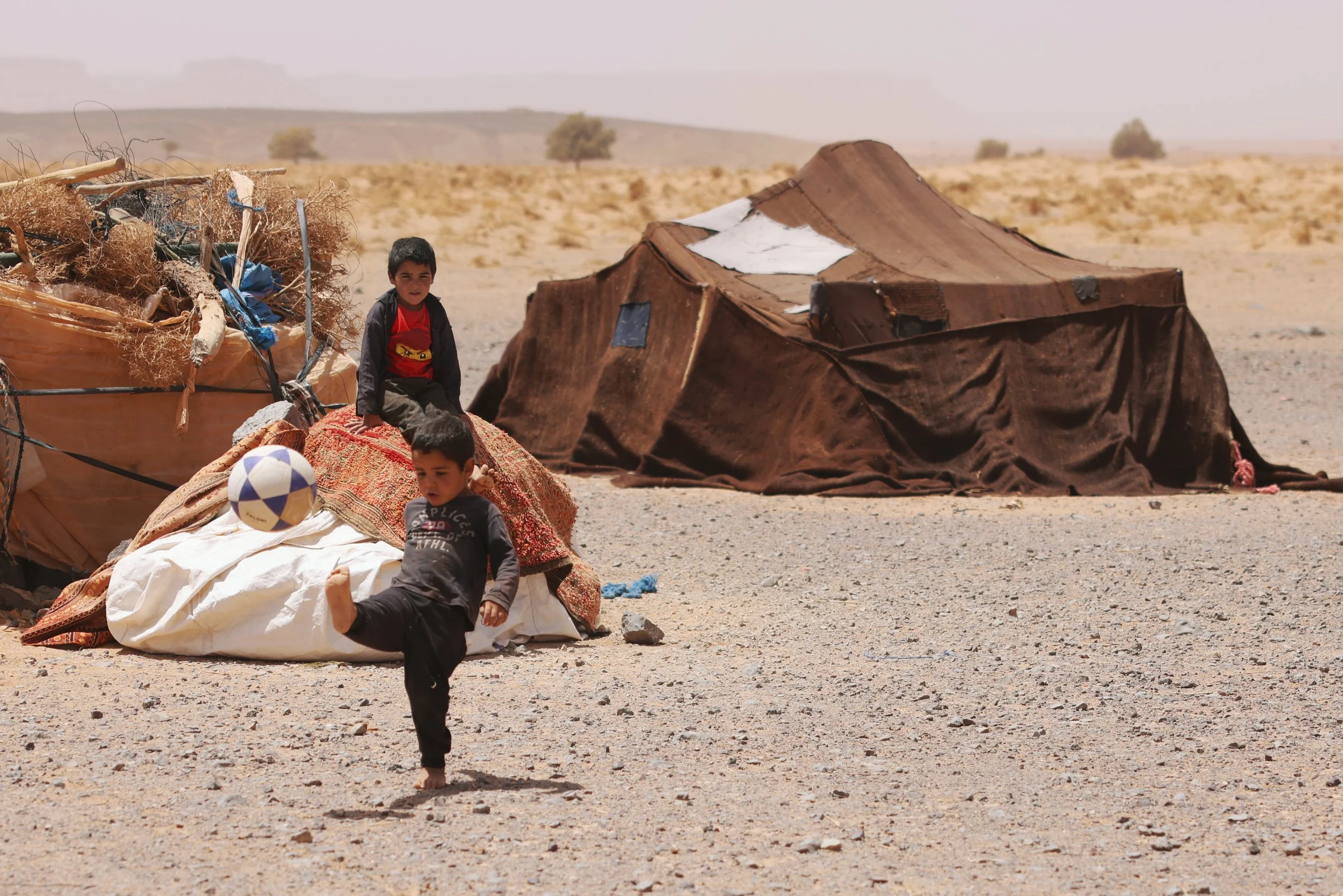
Twin nomad boys playing in front of their home. They don’t know their own age and they probably won’t go to school. Their mother was gone to get water from the well which is hours away by foot so we were not able to meet her. This lifestyle is a choice, preferred by persons who feel constricted by a static life and non tribal social strictures.
The elevated quality of the ‘life values’ that Berbers adhere to sinks into you more, the longer you’re in Morocco. They do not value what they call “china items” or seek to do things faster, faster, faster. In fact there is a Berber saying that translates to “he who hurries is dead”. They would prefer to do something carefully and by hand rather than seeking what’s easier or having “more, more, more”, for several reasons, quality is valued more highly than ease, and I think most powerfully; they regard the pleasure of the process itself as having a high value.
Though it’s a hard life and it can take a day to accomplish one task, transporting by donkey, weaving by hand or extracting oils in methods that have remained unchanged for a thousand years, there is still somehow a shocking (to westerners) amount of relaxing time built into the day, as Moroccans take their ease and mint tea or coffee at work or when the task is accomplished, in the shade, mulling over conversation for hours on end, with no rush to arrive at a conclusion and no desperate internal imperative to be productive in every single hour of the day.
On our journey in return from the Sahara we stopped at the historic caravanserai (caravan stop) of Aït Benhaddou, a site that is well known from the numerous films and shows that have been filmed there, including Gladiator and Game of Thrones. Mud brick construction is another example of the life quality Berbers have retained by keeping their traditions alive. While the west struggles to confront and reverse destructive building practices, off gassing and heat bubbles over cities, many Moroccans still maintain homes and entire villages built from the earth, using entirely breathable, self cooling, naturally sustainable materials in an architectural practice that has remained the same for thousands of years. Though Aït Benhaddou is a Unesco preserved historic site, this building method is still widely in use from the high Atlas to the Sahara. When buildings are no longer used they simply return to the earth unless maintained.
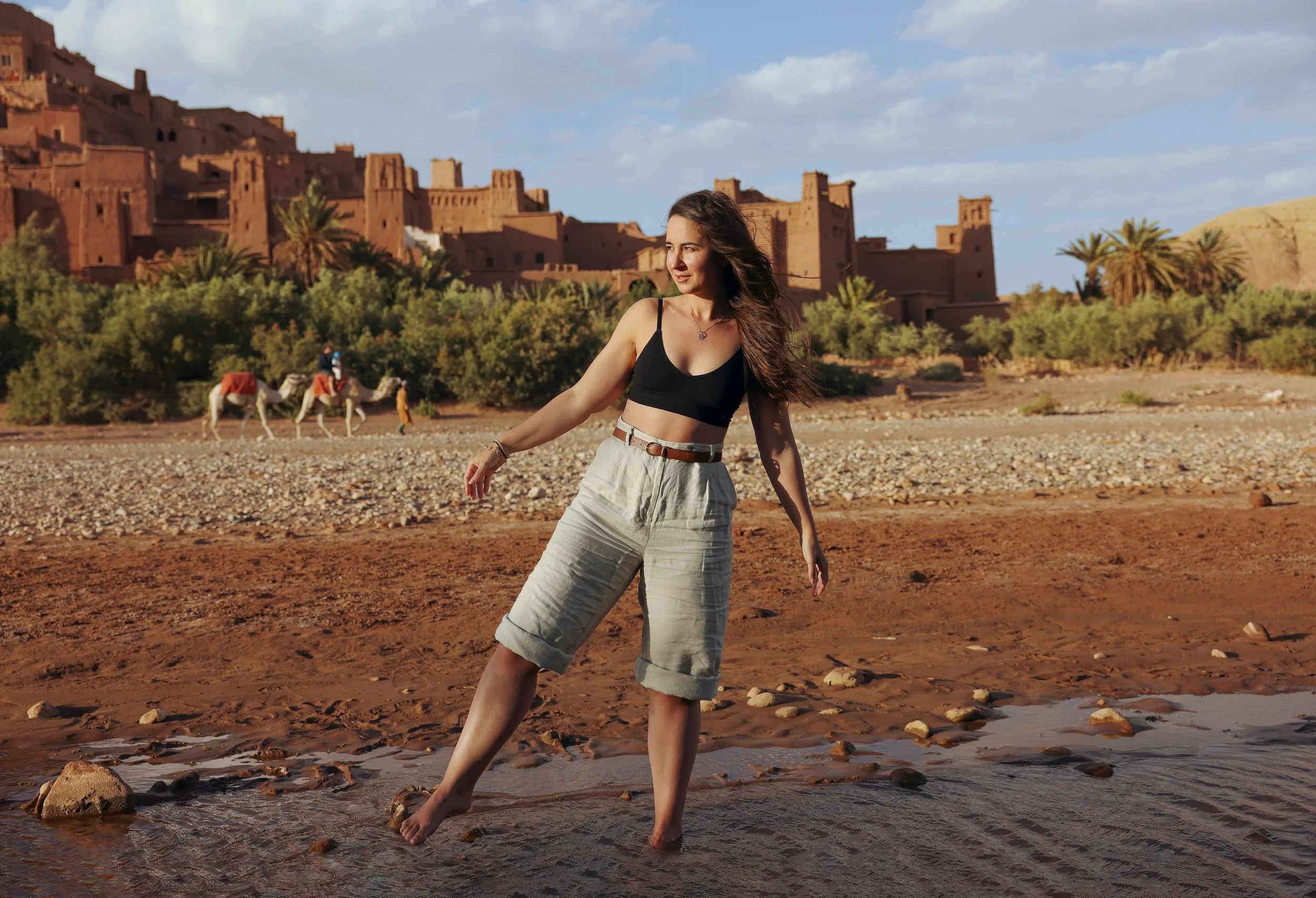
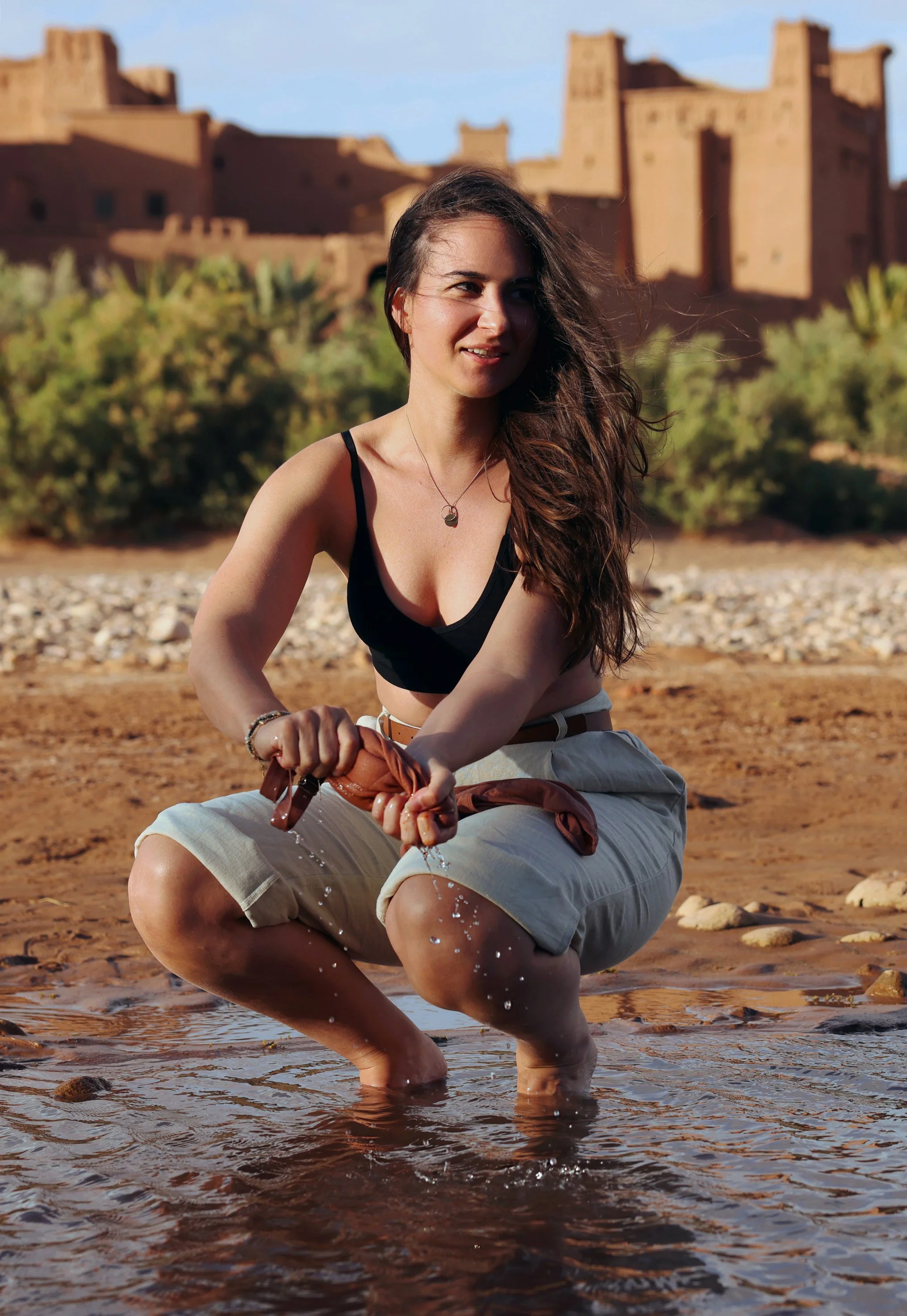
There, we stayed at a real historic Kasbeh (castle style fortresses built all over morocco during its feudal history) which had been converted into a hotel and is run and owned by a local family. There was no electric lighting, so they use only candles which was beautiful (but not ideal for charging equipment!).
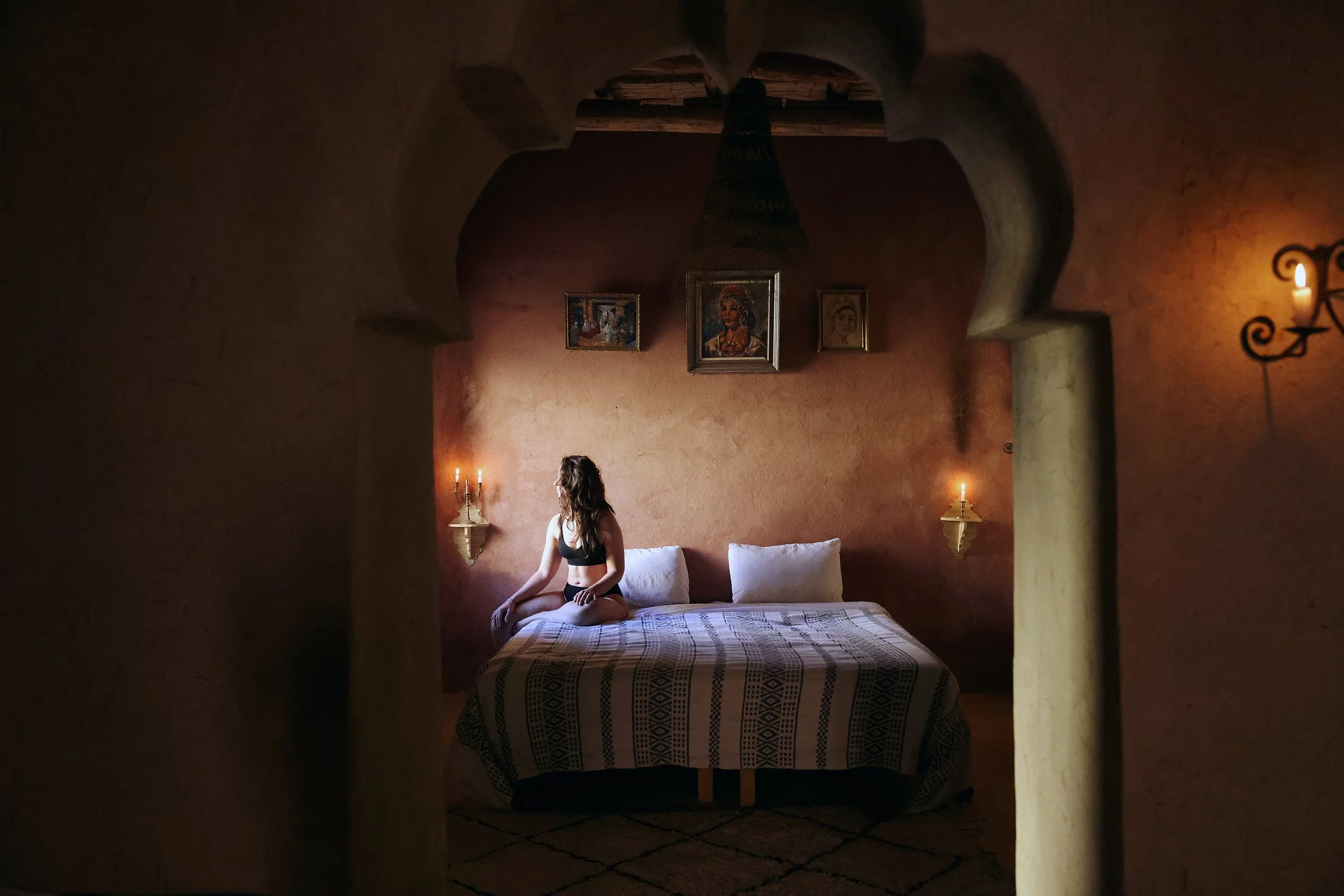
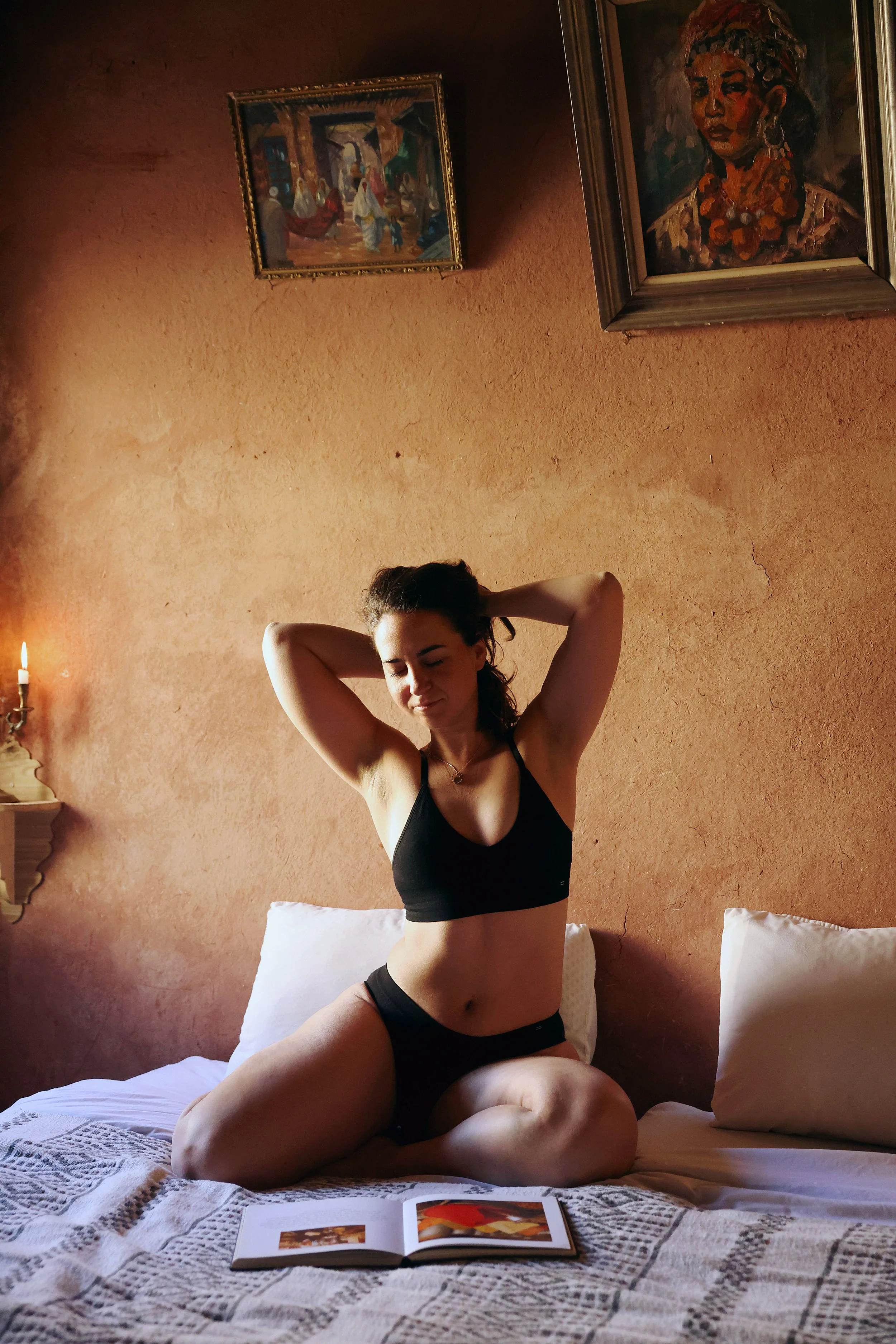
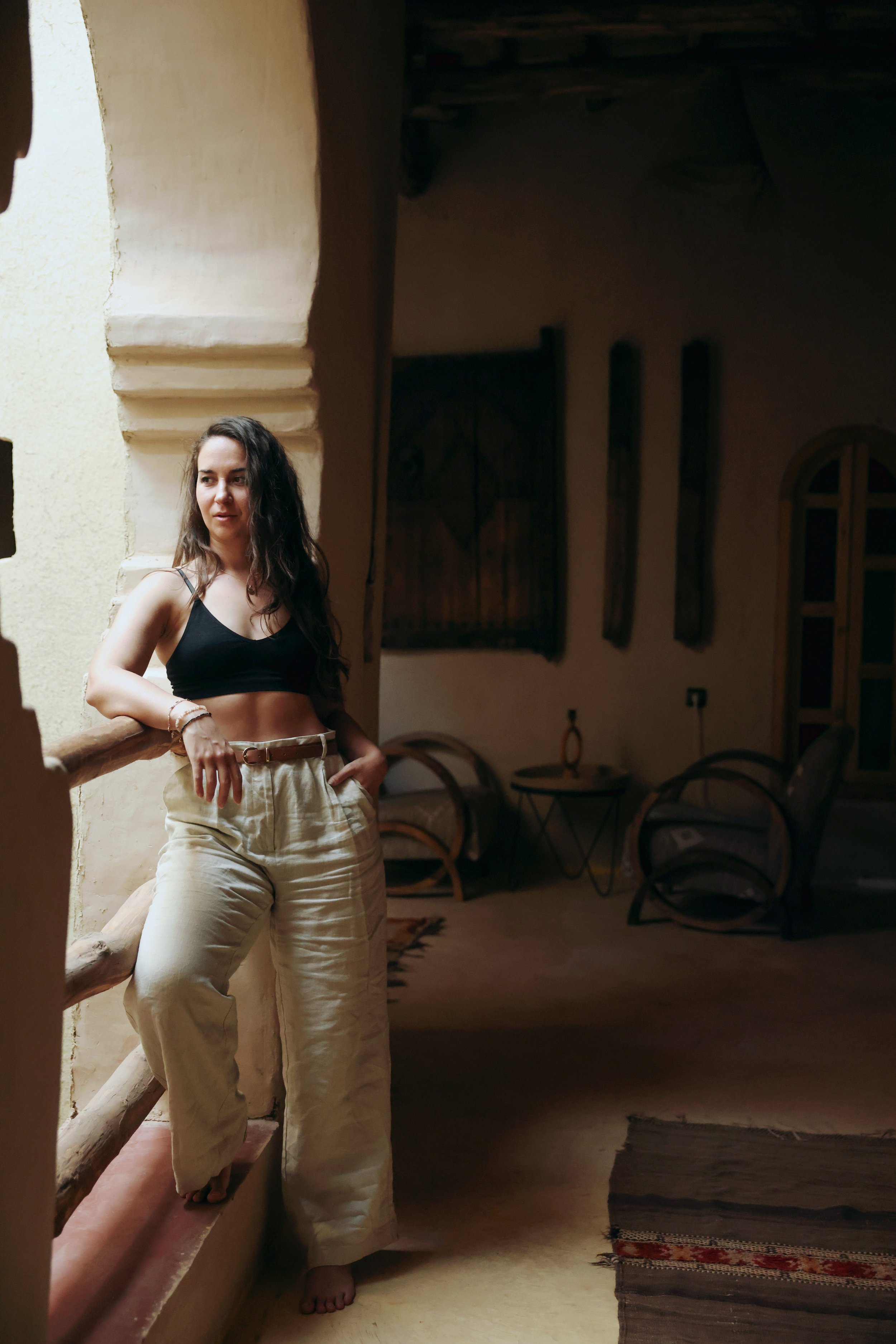
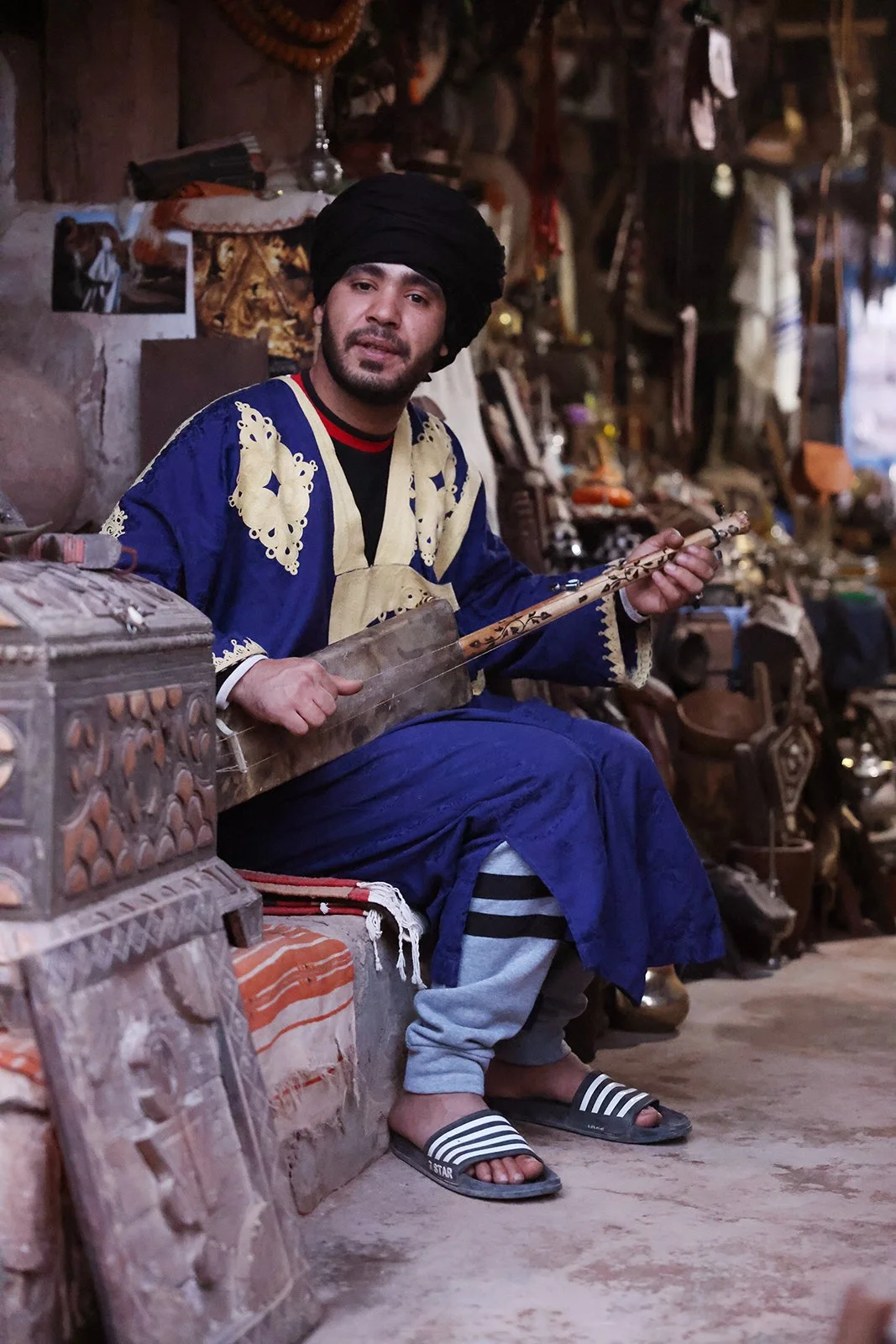
In the evening after our shoot, I bartered at a shop in the maze of steps leading up to the top of the village, to acquire a vintage silver powder horn from the mountains and an antique canteen from the desert that I searched out in the overflowing little shop of treasures. We shared tea and long conversation with the merchant, which resulted in him playing, and singing us a song, a moment I won’t forget, as night closed in around the ancient caravan stop.
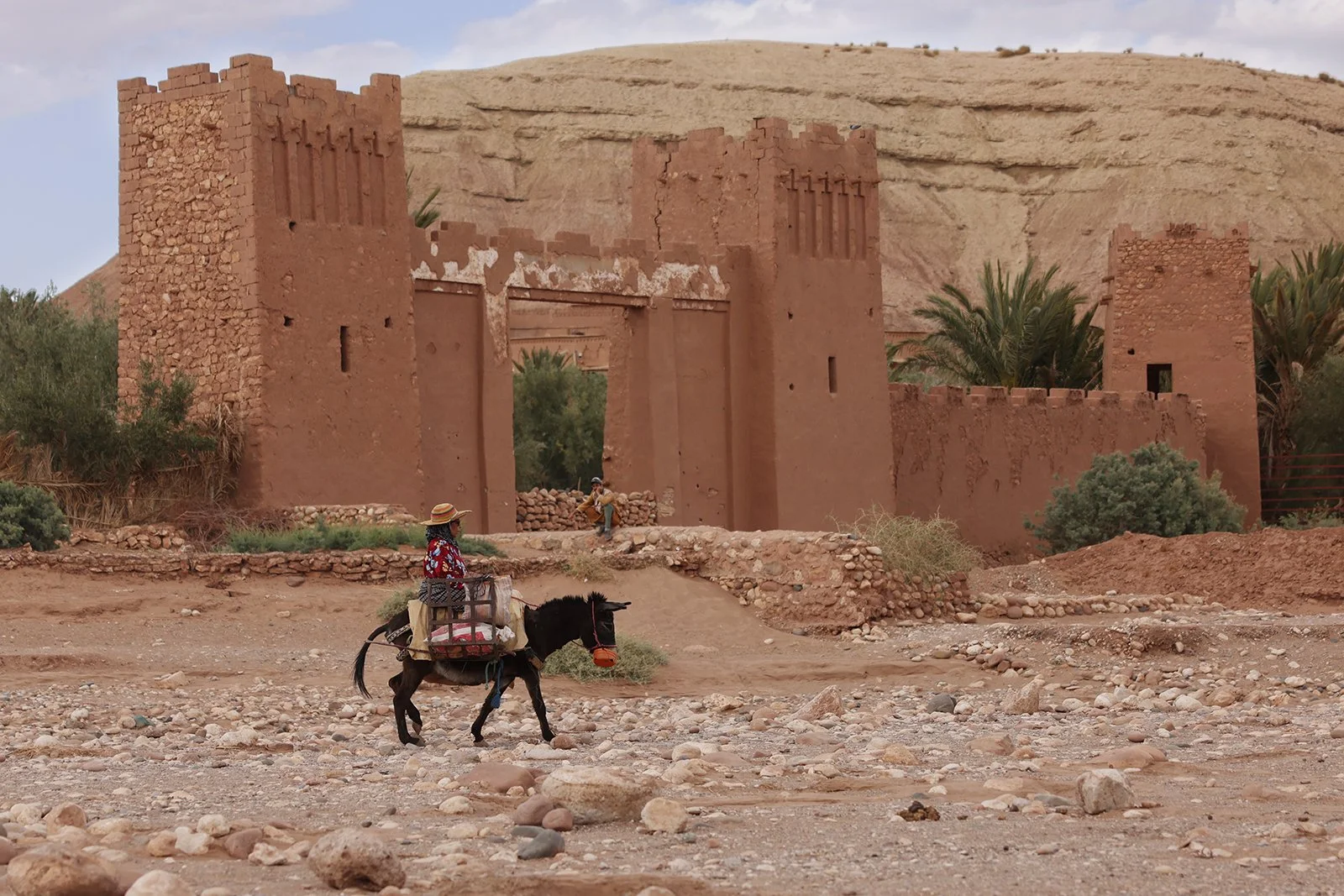
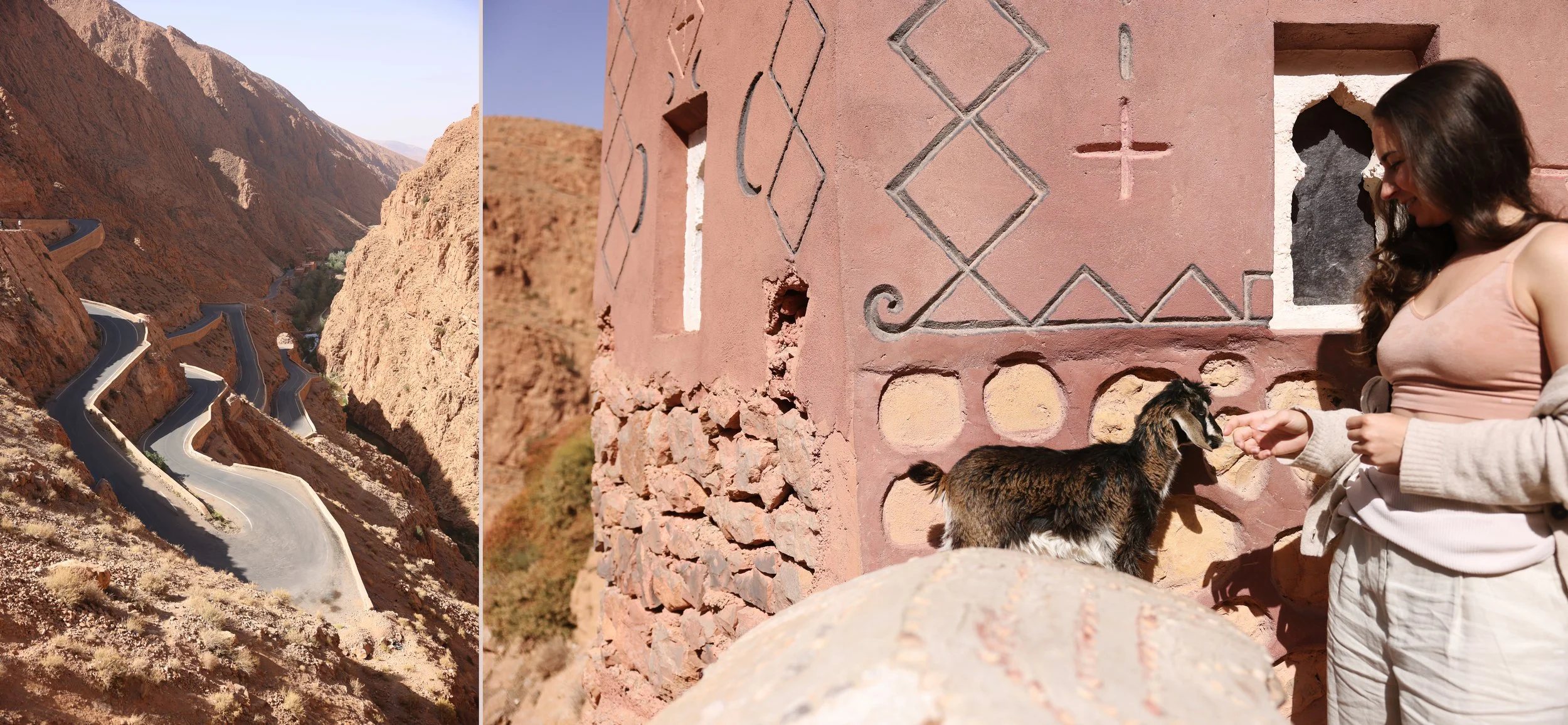
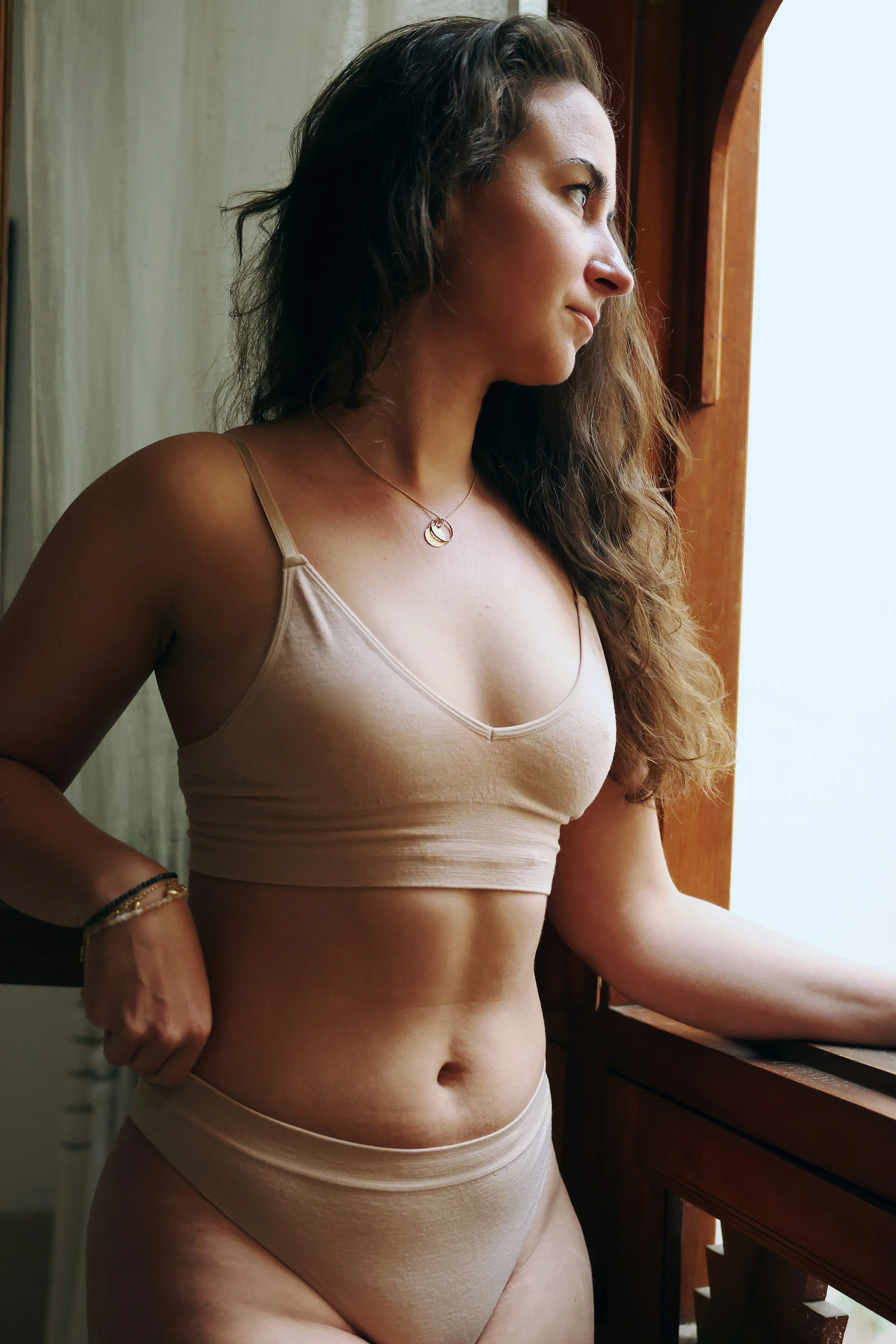
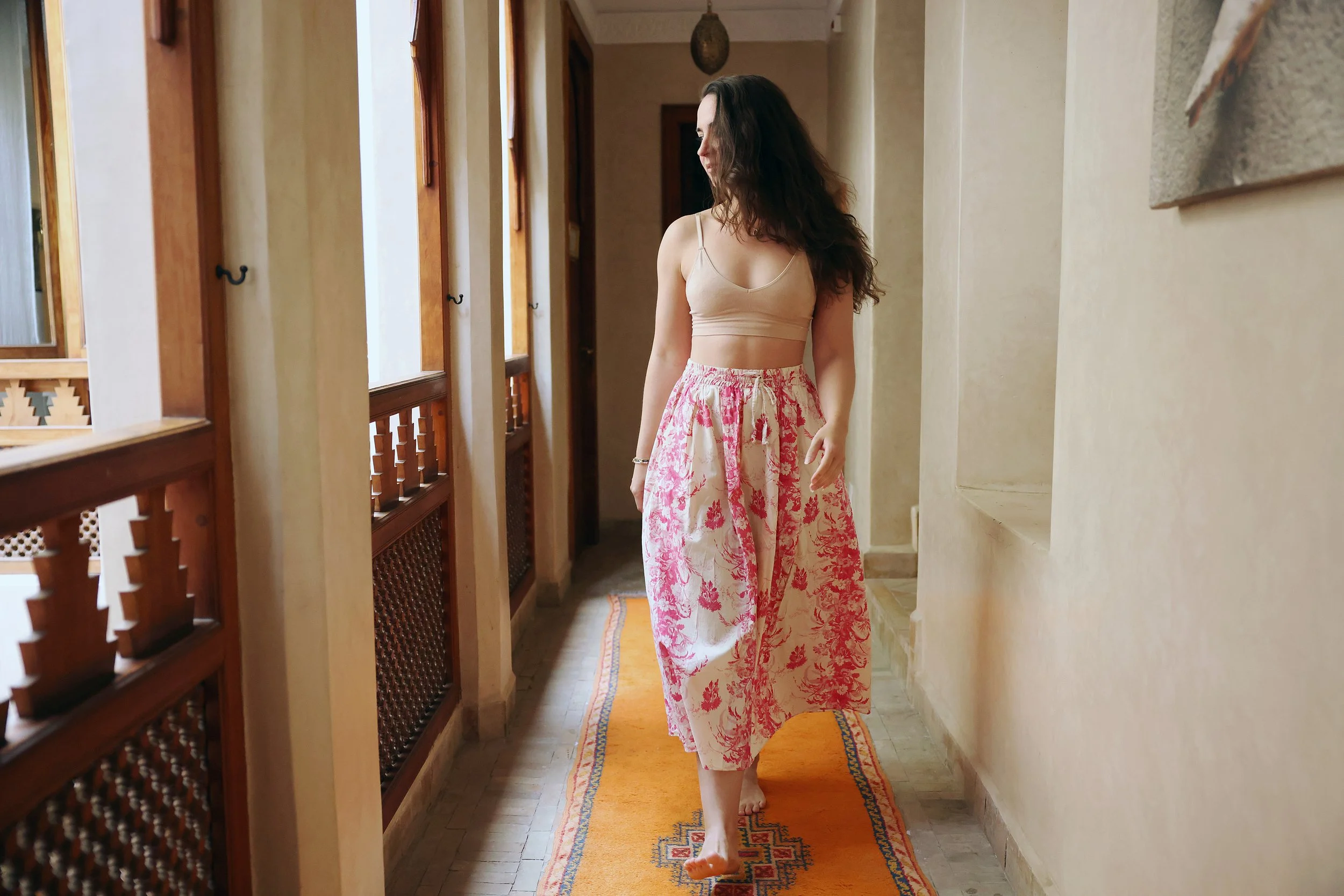
The next day after driving through the stunning High Atlas Mountains once more, we were back in the cool shade of our Riad at the heart of Marrakech, termed by locals the city of flies (for it’s buzzing motorbike traffic) and by tourists “The Red City” for it’s magical architecture. Hidden in our quiet oasis tucked into the bustling souks of the Medina, we washed off the last of the sands of the desert, microscopic particles seemed to have found their way into everything. We did the last photo session after a visit to the hammam, and that throughly steamed and scrubbed, fully relaxed contentment creeps into the imagery a bit I think.
Morocco is very highly catered to tourists throughout, but what is so surprising to me is that in all of the influencer fodder I have seen of it, I had never glimpsed the real Morocco. You can be right in the heart of this place and miss it entirely, so substantial is the paradigm shift between our way of thought, our values and theirs. This is mirrored in how you can be in the midst of wealth and privilege and yet deeply unhappy. If you are observant, Morocco is full of beautiful reminders to live in the true sense of the word, and to relish, work for and be patient enough to enjoy that which has true value.
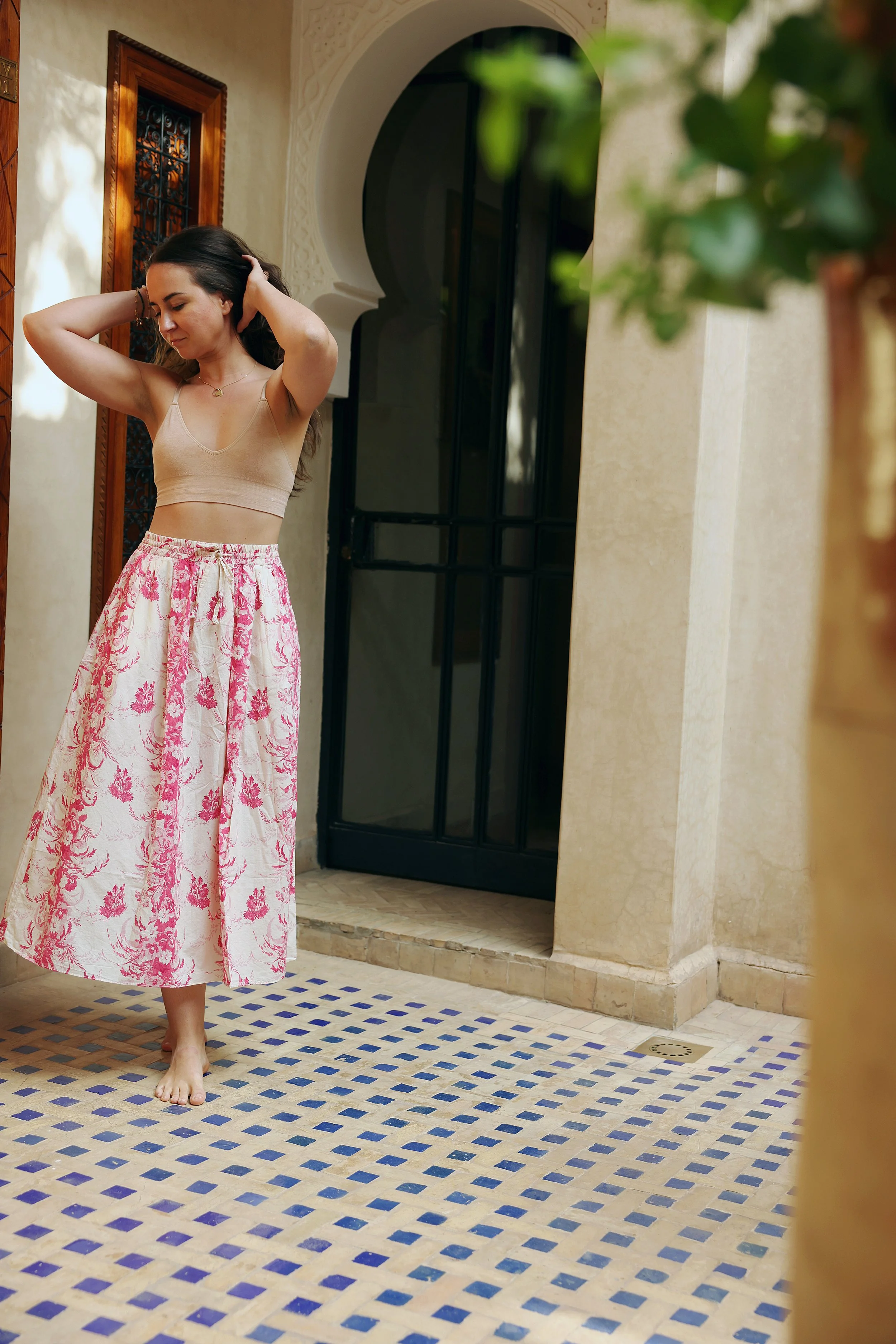
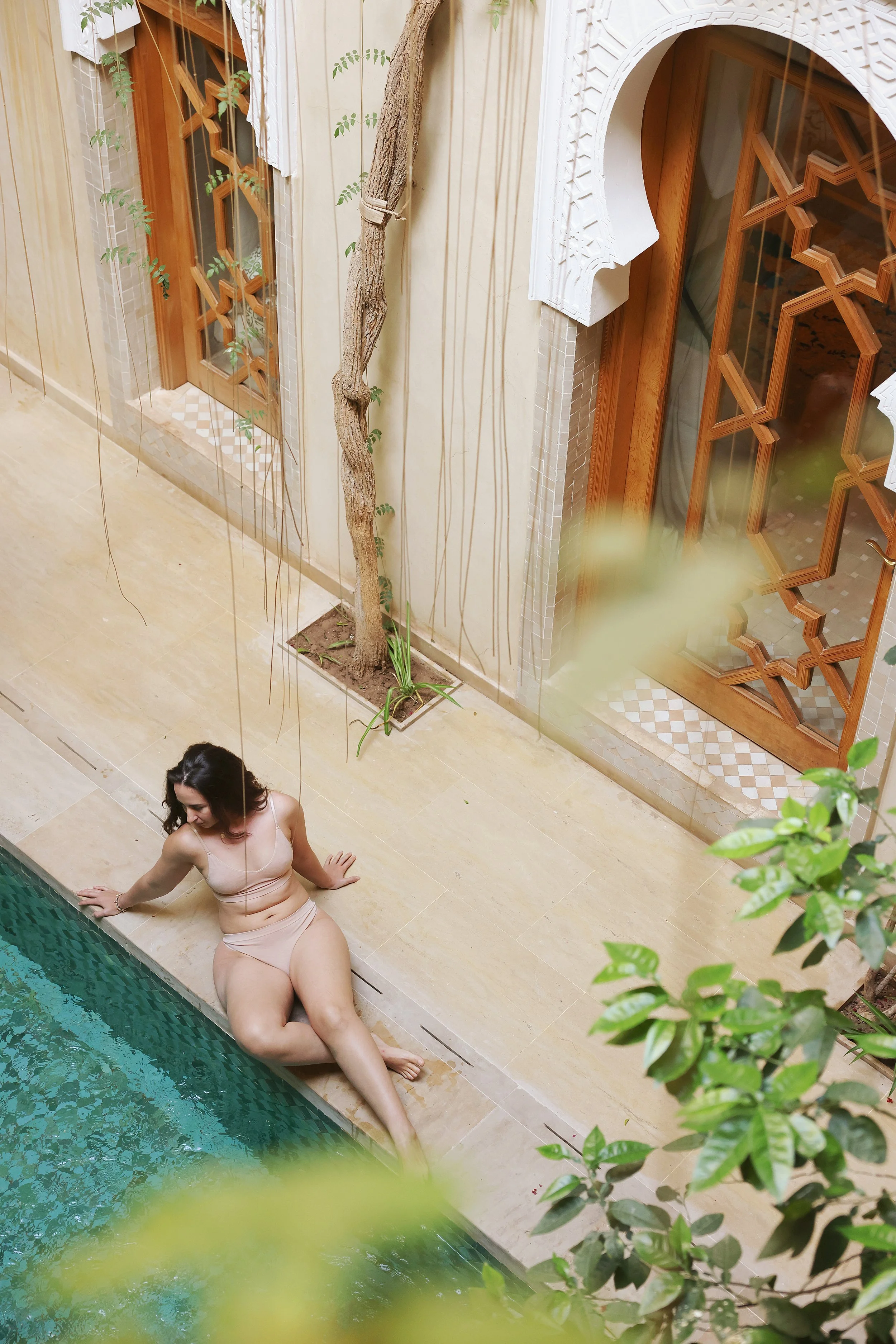
Berbers are proud to assert that “they invented feminism” claiming the queens of old that ruled the region before the Arab invasion, and the fact that the grandma is the head of the household (and the bank, you would still to this day keep your savings with your grandma). Berber men are gentlemen, kind spoken, very honest and notably well mannered, making this a relaxing place to travel as a woman. This is reflected in the photography because, while we did take lengths to respect the conservative culture; planning times and places thoughtfully, we were able to shoot easily and safely in each of the locations I’d hoped to.
For this shoot I knew I wanted someone adventurous, someone who’d be down for everything and could commit to a bit of an expedition. It was too much of a risk to plan such a long shoot, with days spent deep in a remote region with an unknown model, so I flew in Sandra, the same model I had shot a bit with in Puglia the previous summer. She’s an exec level professional, frequent travel adventurer, avid mountain biker with a health and wellness focus that aligns so well with Branwyn so I loved that she lives so throughly in the “crossroads of being” that this brand explores.
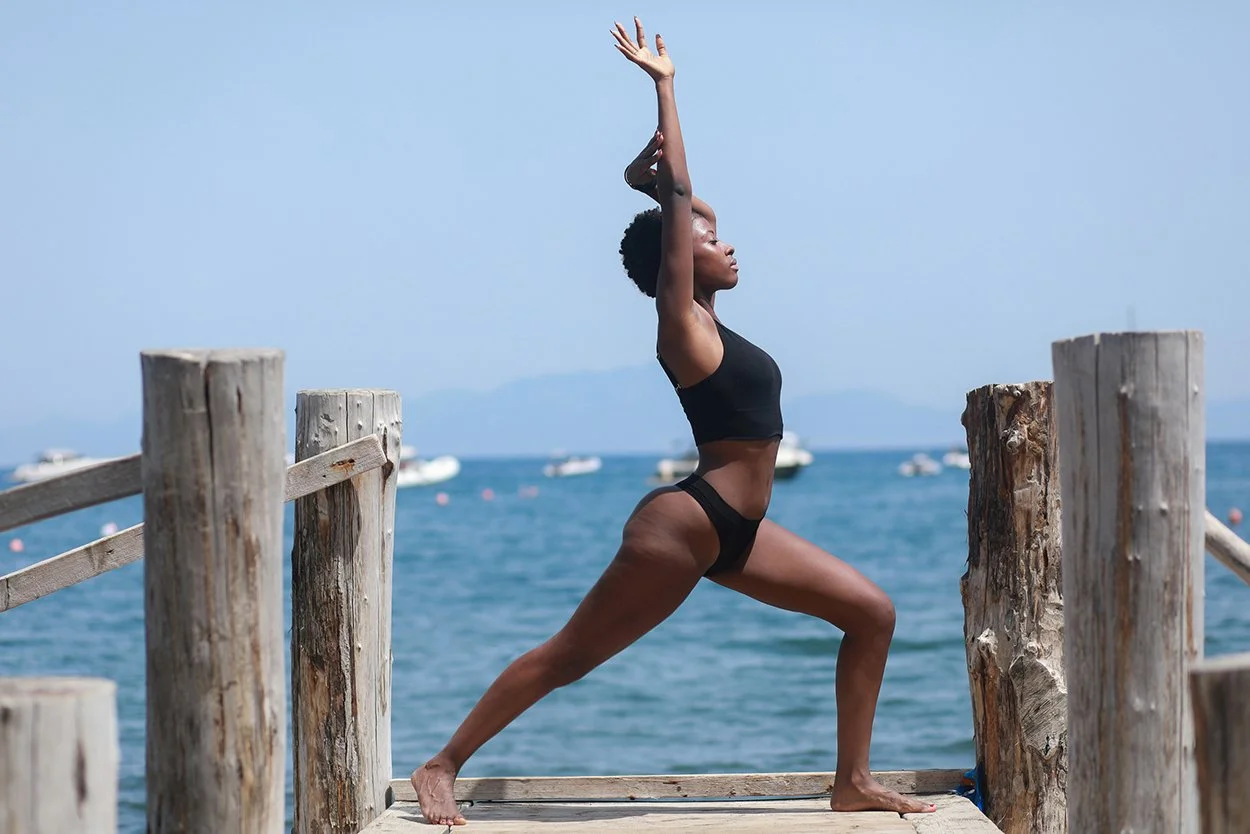
Procida Island Italy
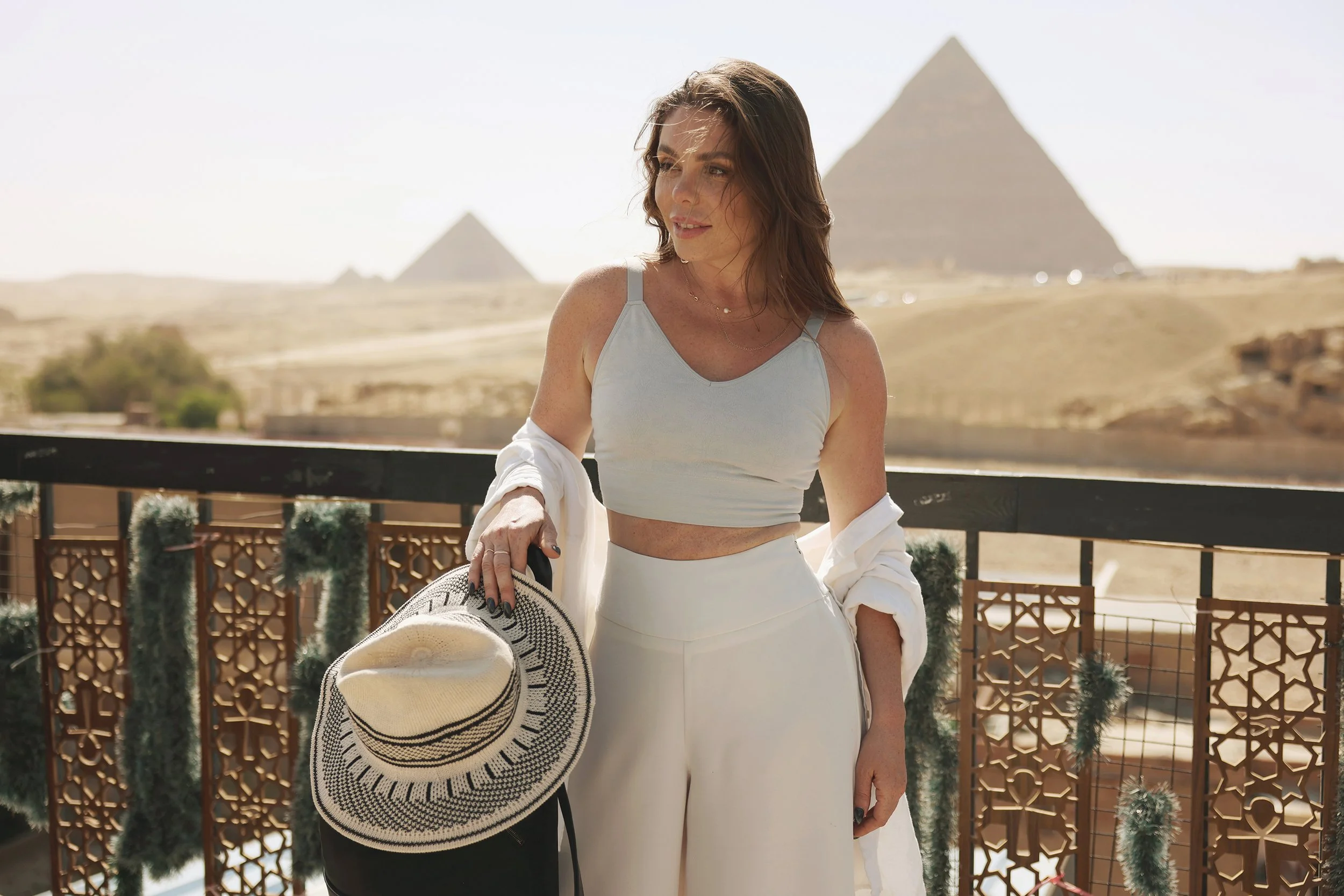
Cairo Egypt
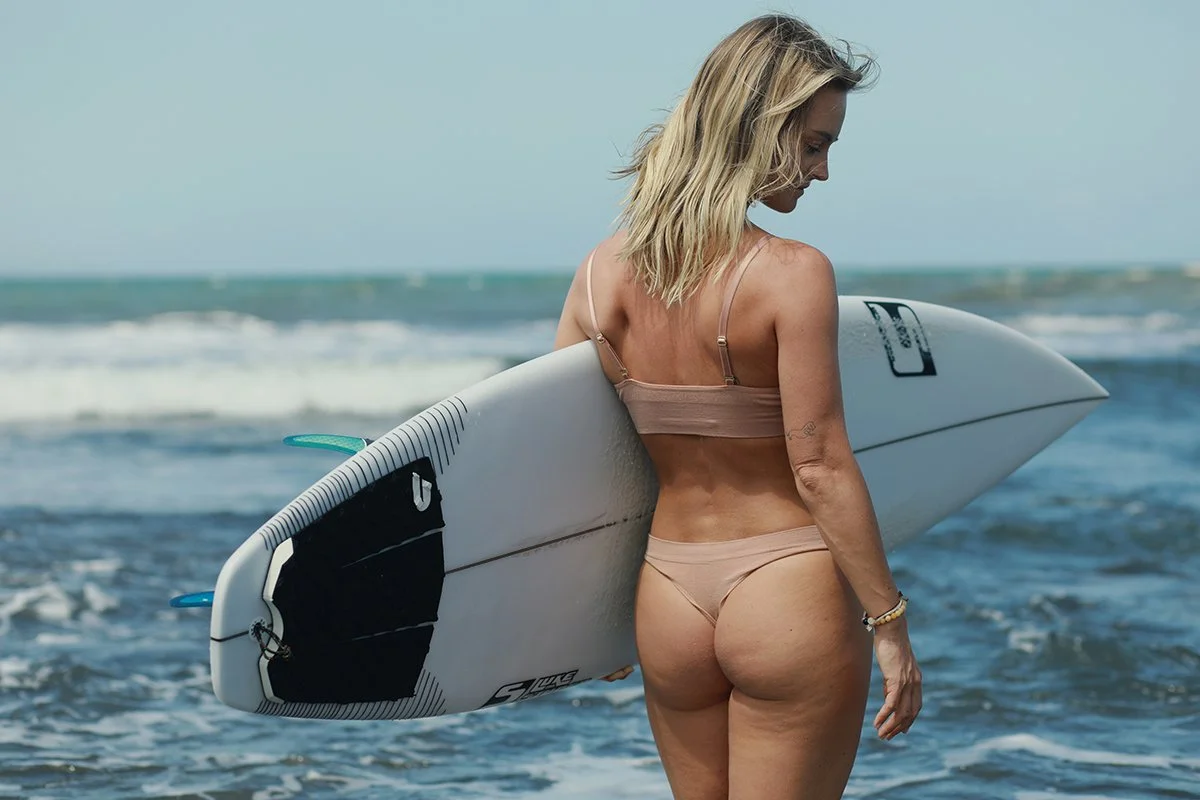
Bali Indonesia
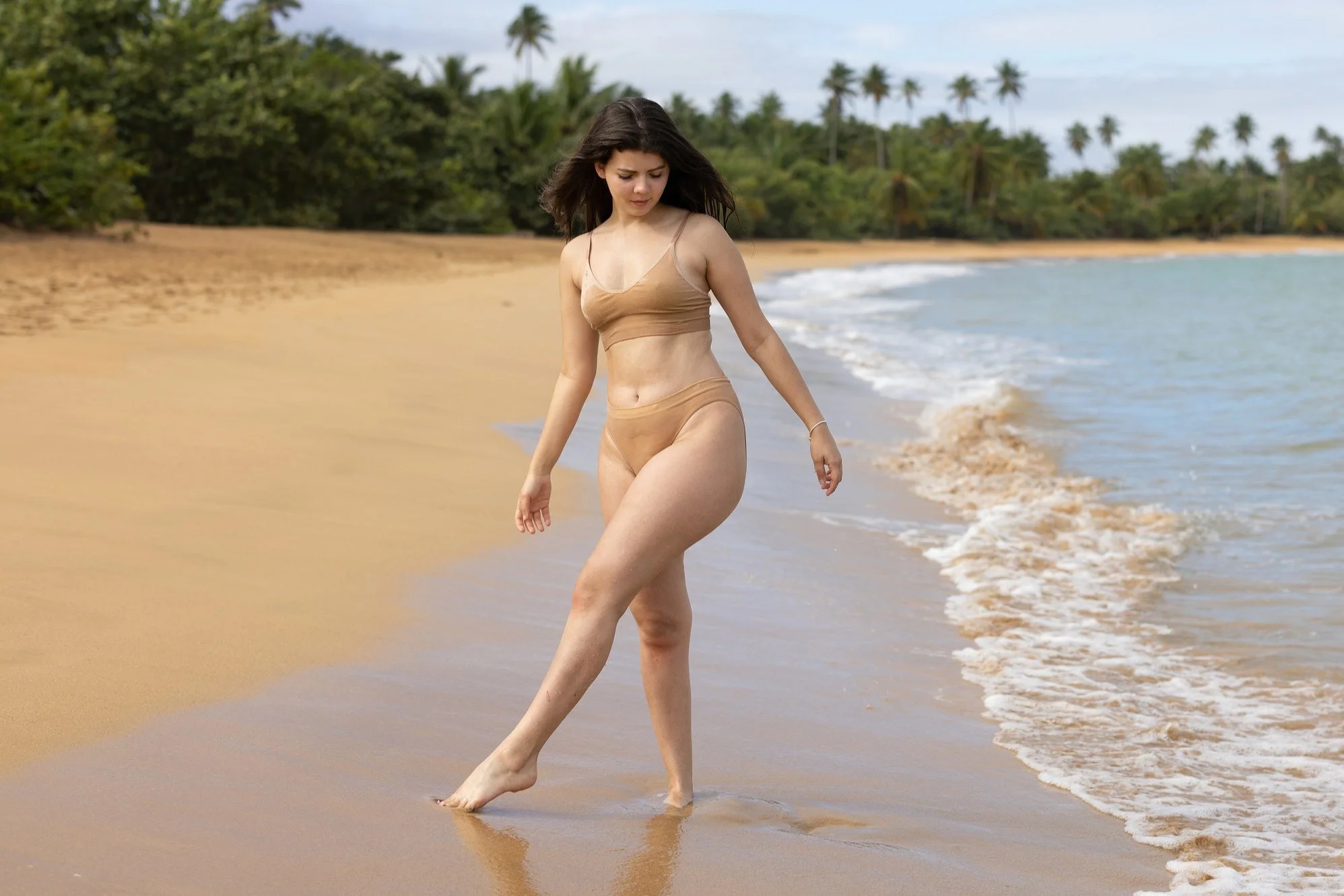
Puerto Rico
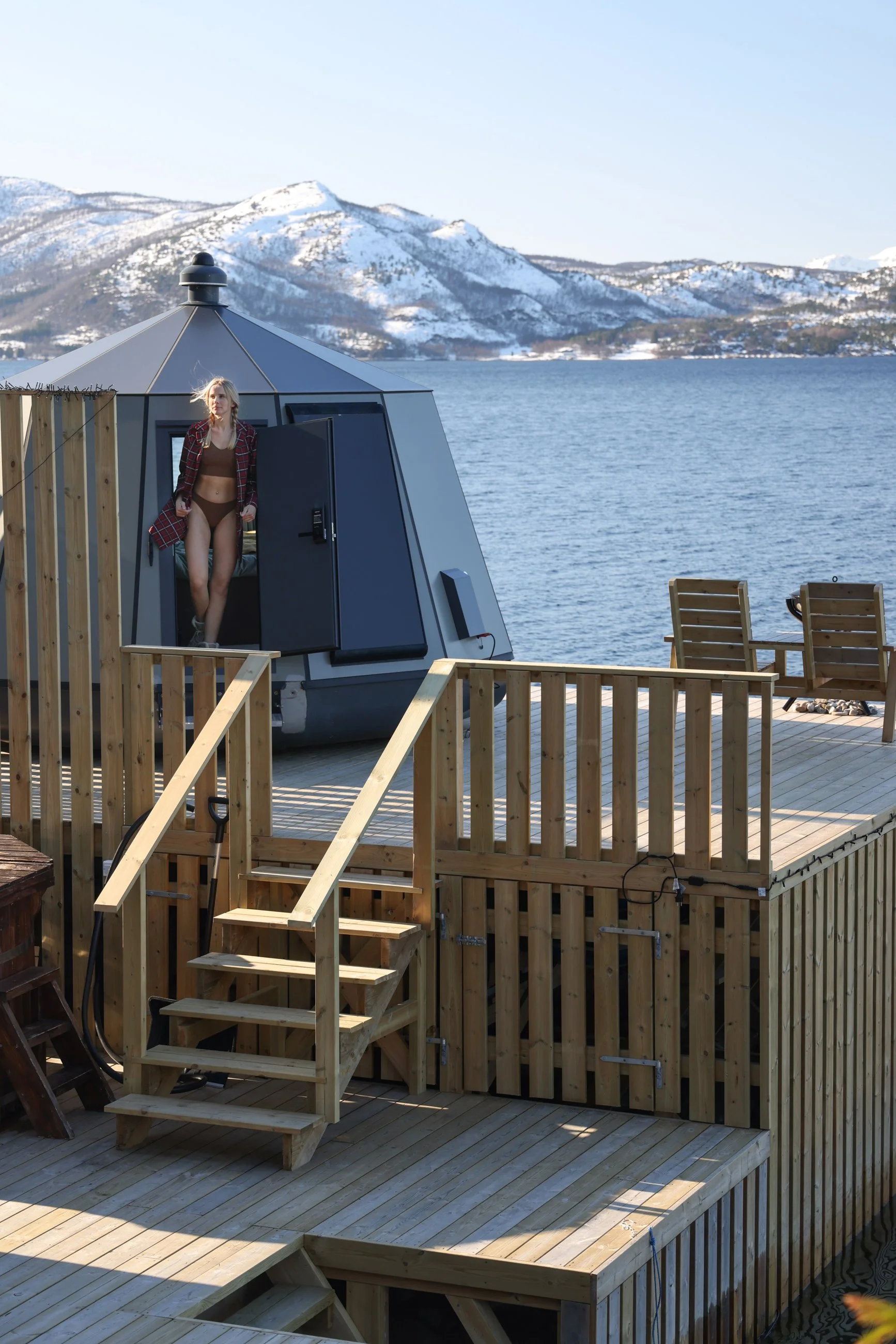
Norway
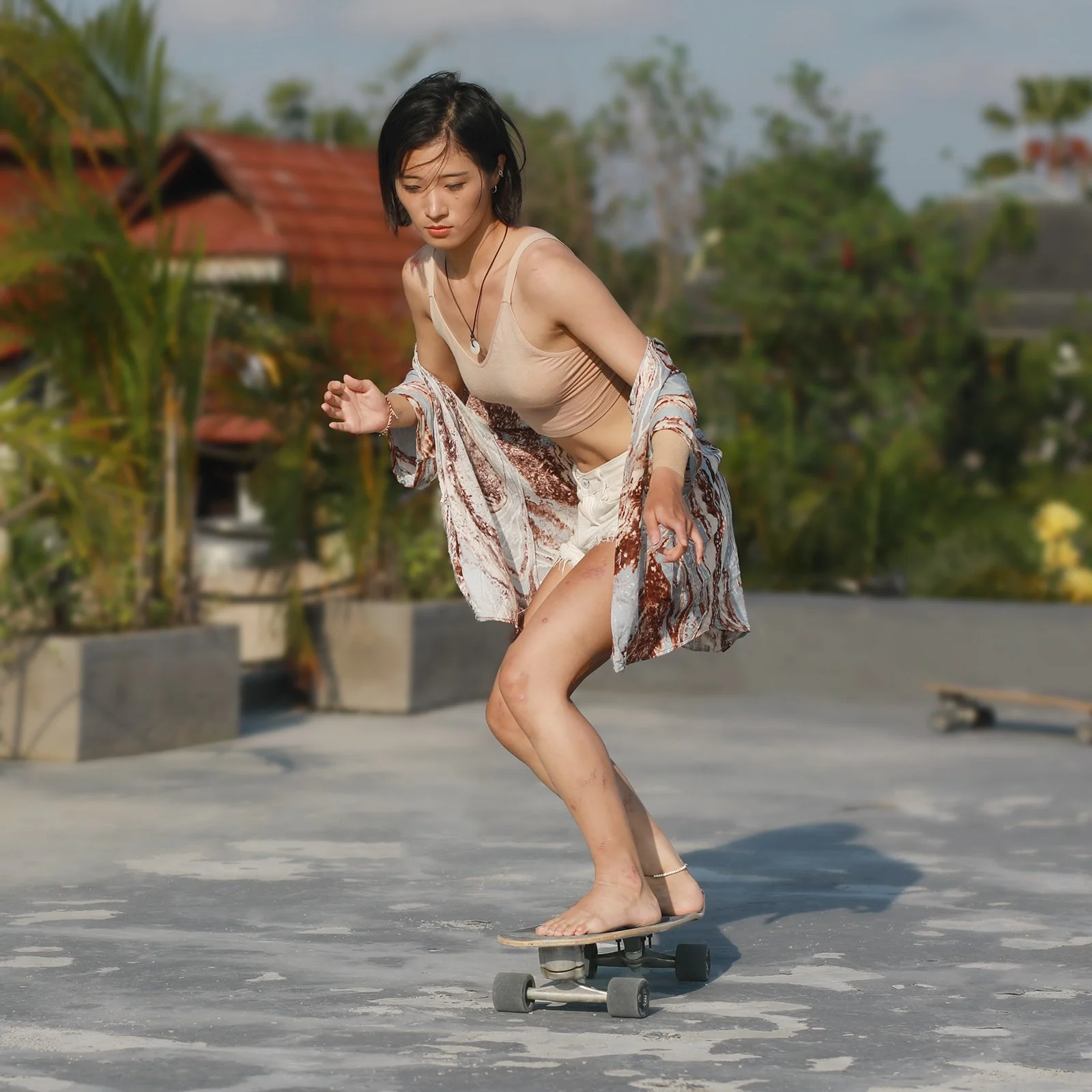
Korea
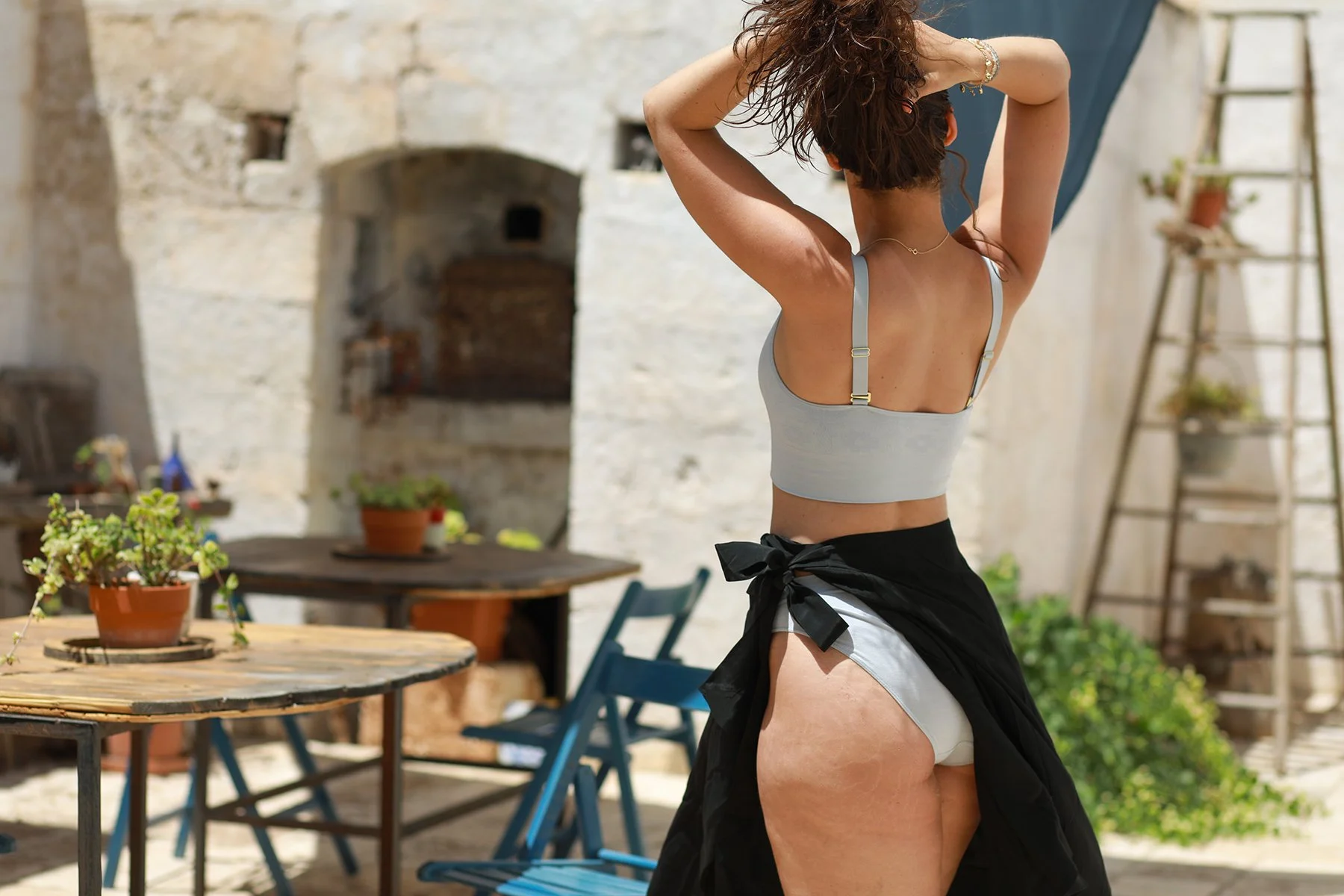
Puglia Italy
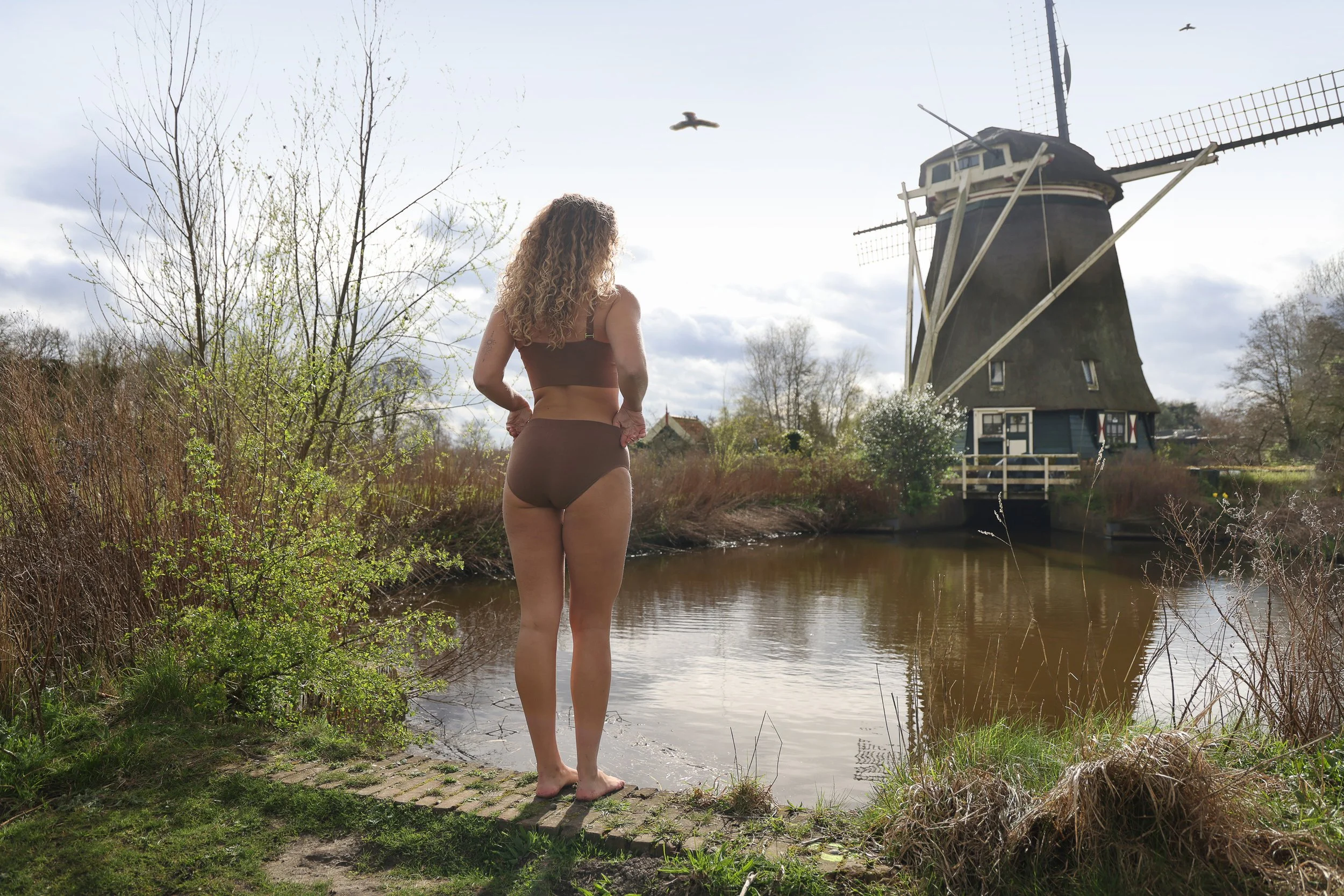
Amsterdam